Roofing Problems Caused by Kentucky Weather
Kentucky weather can take a serious toll on your roof. Learn how wind, hail, heavy rain, and temperature swings cause common roofing problems—and what homeowners can do to prevent costly damage before it worsens.
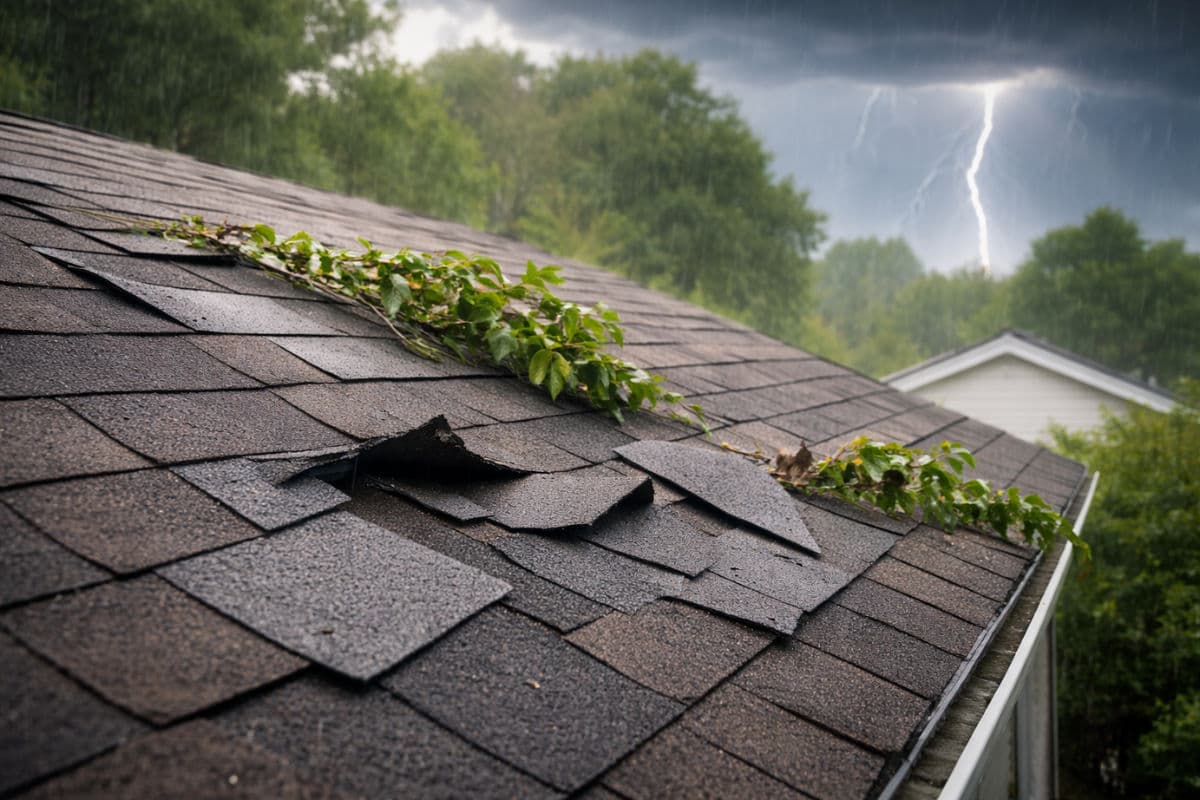
Kentucky’s climate creates a unique set of challenges for homeowners, especially when it comes to roofing. From strong winds and hailstorms to heavy rainfall and dramatic temperature swings, roofs in this region are constantly under stress. Over time, these conditions lead to some of the most common Kentucky roofing problems homeowners face.
Many homeowners first become aware of weather-related damage during free roof inspections, which can be a helpful way to understand roof condition when the inspection is education-focused rather than sales-driven.
Understanding how weather affects your roof helps you spot early warning signs, plan maintenance, and avoid costly repairs. This guide breaks down the most common weather-related roofing issues in Kentucky, why they happen, and what homeowners should watch for throughout the year.
Wind Damage
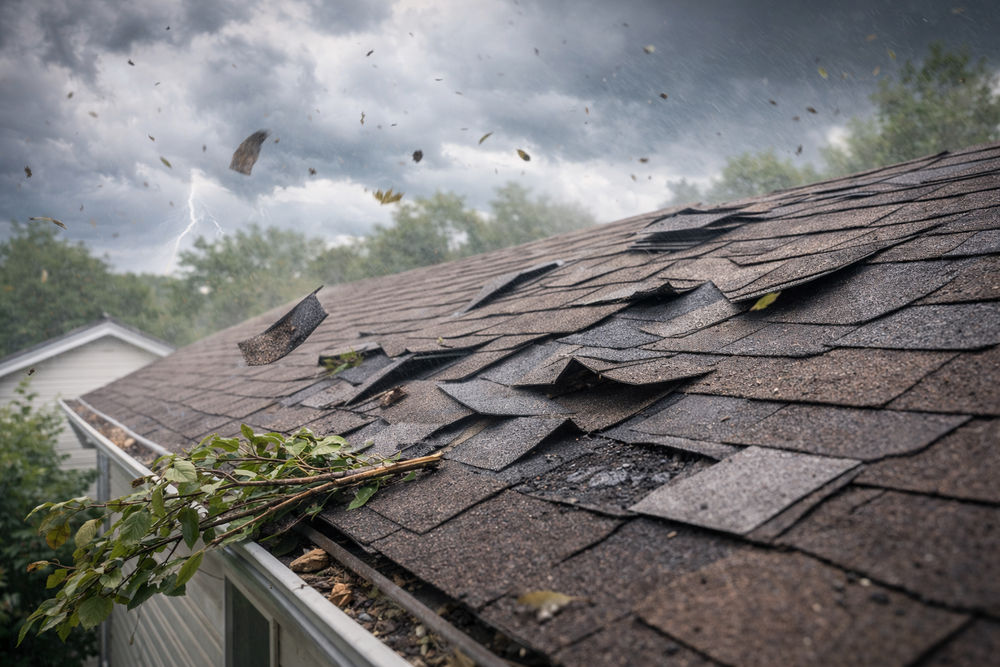
High winds are one of the most frequent causes of roofing problems in Kentucky, particularly during spring storms and severe weather systems.
Shingle Lifting and Loss
Strong wind gusts can lift shingles, breaking the seal that protects the roof from water intrusion. Once lifted, shingles become vulnerable to further wind damage and may eventually tear off completely. Missing or loose shingles expose the underlayment and decking, increasing the risk of leaks.
Damage Around Roof Edges and Ridges
Roof edges, corners, and ridge caps are especially vulnerable during high winds. These areas experience the most pressure and are often the first to show signs of damage. If ridge caps loosen or detach, wind-driven rain can enter the roof system quickly.
Wind-Driven Debris Impact
During storms, airborne debris such as branches, loose siding, or outdoor furniture can strike the roof. Even when damage is not immediately visible, impacts can crack shingles or dent metal roofing, weakening materials over time.
Hail Impact
Hailstorms are another major contributor to Kentucky roofing problems, particularly in late spring and summer.
Granule Loss on Asphalt Shingles
Hail impacts often knock protective granules off asphalt shingles. Granules shield shingles from UV exposure and weathering. When they are lost, shingles age faster and become more brittle, shortening the roof’s lifespan.
Hidden Damage Beneath the Surface
Not all hail damage is obvious. Some impacts create soft spots or bruising beneath the shingle surface that may not leak immediately. Over time, these weakened areas can crack and allow moisture into the roof system.
Metal Roofing Dents and Coating Damage
While metal roofing is generally durable, hail can dent panels or damage protective coatings. Even cosmetic dents may compromise coatings designed to prevent corrosion, leading to long-term deterioration if left unaddressed.
Heavy Rain & Drainage Issues
Kentucky receives a significant amount of rainfall each year, and prolonged or intense rain events put constant pressure on roofing systems.
Water Intrusion Through Vulnerable Areas
Heavy rain exploits weak points in the roof, such as damaged flashing, aging sealants, or improperly installed components. Valleys, chimneys, skylights, and vents are common areas where water intrusion begins.
Gutter and Downspout Problems
Clogged or damaged gutters prevent proper drainage, causing water to back up onto the roof edge. Over time, standing water can damage fascia boards, rot roof decking, and increase the risk of leaks along the eaves.
Saturation of Roofing Materials
Extended periods of rain can saturate roofing materials, especially if ventilation is inadequate. Trapped moisture accelerates material breakdown and increases the likelihood of mold growth in the attic or roof structure.
Seasonal Temperature Swings
Kentucky’s wide temperature fluctuations throughout the year create additional stress on roofing materials.
Expansion and Contraction of Materials
As temperatures rise and fall, roofing materials expand and contract. Repeated movement weakens fasteners, cracks sealants, and causes materials to deteriorate faster—especially around flashing and roof penetrations.
Freeze-Thaw Cycles
During winter, moisture that enters small cracks can freeze and expand, making openings larger. When temperatures rise, melting ice allows water to penetrate deeper into the roof system. Over time, freeze-thaw cycles worsen existing damage.
Accelerated Aging of Shingles
Temperature extremes speed up the aging process of shingles. Heat dries out materials, while cold temperatures make them brittle. This combination reduces flexibility and increases the likelihood of cracking or breaking.
Why Weather-Related Roofing Problems Often Go Unnoticed
Many Kentucky roofing problems develop gradually and remain hidden until significant damage occurs.

Damage Starts Small
A lifted shingle or minor flashing issue may not cause immediate leaks. However, repeated exposure to wind and rain allows moisture to work its way into the roof system over time.
In many cases, damage worsens because of common roofing mistakes homeowners make when delaying repairs, allowing small storm-related issues to spread quietly.
Interior Signs Appear Late
By the time homeowners notice water stains or ceiling damage, weather-related issues have often been present for months. At this stage, repairs are typically more extensive and expensive.
Storm Damage Isn’t Always Obvious
Not all storm damage looks dramatic. Subtle issues like granule loss, hairline cracks, or loosened fasteners can be easy to miss without a professional inspection.
How Weather-Related Damage Affects Roof Lifespan
Weather plays a major role in roof longevity across Kentucky.
Repeated exposure to wind, rain, and temperature swings directly impacts how long a roof lasts in Kentucky, especially when weather-related damage is left unaddressed.
Cumulative Stress Reduces Durability
Each storm event adds wear to roofing materials. Even when damage appears minor, repeated exposure shortens the roof’s overall lifespan.
Deferred Repairs Lead to Compounding Problems
Delaying repairs allows moisture intrusion to affect insulation, decking, and ventilation—turning a small issue into a major project.
What Homeowners Can Do to Reduce Weather Damage
While Kentucky weather can’t be controlled, proactive steps can significantly reduce its impact on your roof.
Schedule inspections after severe storms
Keep gutters and downspouts clear
Address loose shingles and flashing promptly
Monitor attic ventilation and moisture
Working with professional residential roof services ensures weather-related damage is properly diagnosed and repaired before it leads to larger structural problems.
Schedule a Weather-Related Roof Inspection
Kentucky weather is tough on roofs, and many roofing problems develop quietly over time. Understanding common Kentucky roofing problems caused by wind, hail, rain, and temperature swings empowers homeowners to act early and avoid costly repairs.
If your home has been exposed to recent storms or seasonal extremes, now is the time to schedule a weather-related roof inspection and get clear insight into your roof’s condition.
Early action protects your home, extends roof lifespan, and gives you peace of mind—long before small weather-related issues turn into major repairs.