The Truth About Free Roof Inspections
Free roof inspections often raise concerns for homeowners. Are they really free, or is there a catch? This guide explains the truth behind free roof inspections, why reputable roofers offer them, common red flags to watch for, and how to choose an education-first roofing professional you can trust.
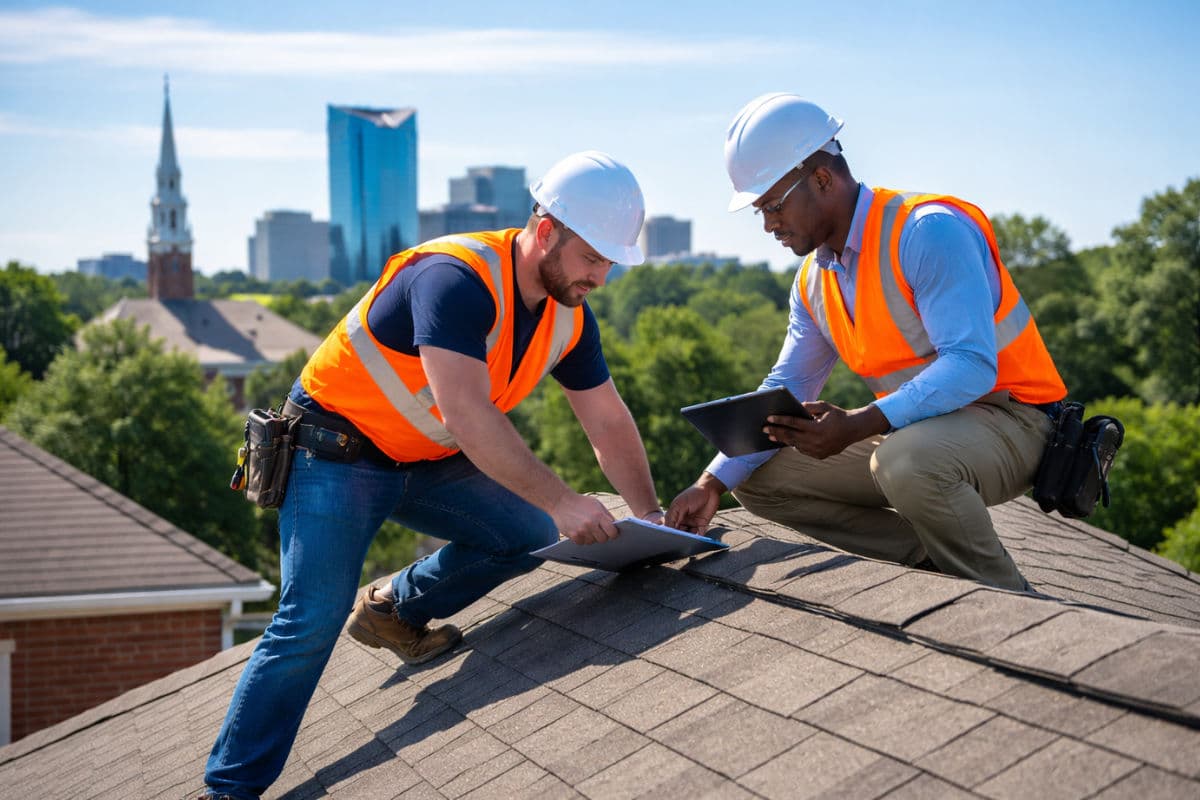
If you’ve ever searched for roofing services, you’ve probably seen the phrase “free roof inspection” advertised everywhere. For many homeowners, this immediately raises questions. Is it really free? What’s the catch? Does a free inspection automatically lead to a recommendation for a full replacement?
Understanding the free roof inspection truth helps homeowners separate ethical roofing practices from pushy sales tactics. In Central Kentucky, where roofs are constantly exposed to humidity, storms, and temperature swings, inspections are essential—but not all inspection offers are the same. This guide explains why reputable roofers offer free inspections, the red flags to watch for, and how to choose a roofer who puts education before pressure.
Why Reputable Roofers Offer Free Inspections
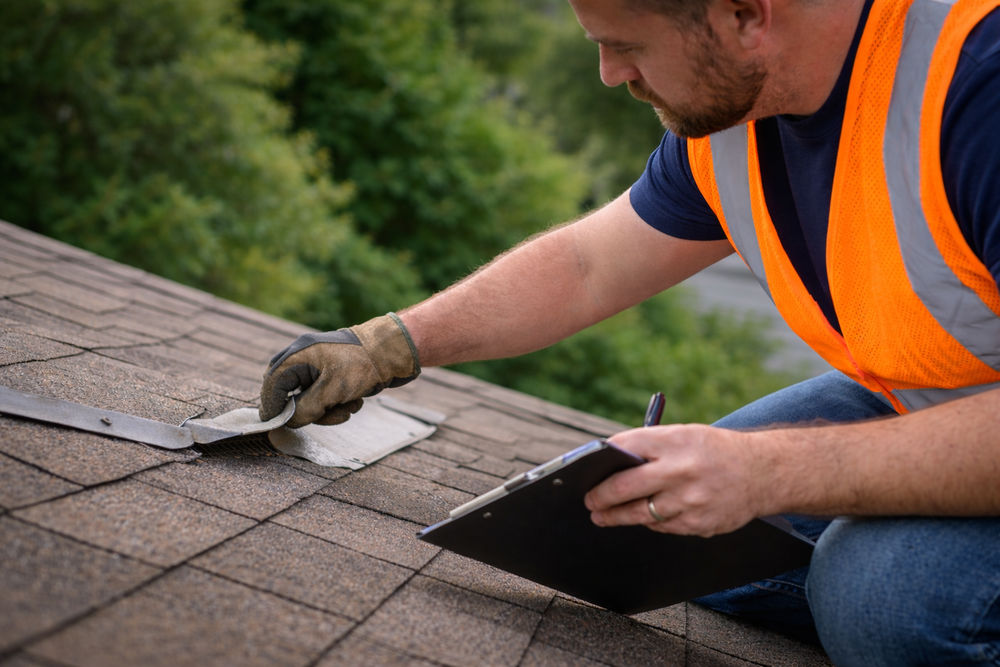
Free roof inspections are not inherently a problem. In fact, when done correctly, they benefit both homeowners and professional roofing companies.
Inspections Prevent Small Problems From Escalating
One reason reputable roofers offer inspections at no cost is simple: early detection. Small issues like loose flashing, minor shingle damage, or ventilation problems are much easier to address when caught early. Inspections help homeowners avoid emergency repairs and help roofers focus on solutions instead of damage control.
Inspections Build Long-Term Trust
Ethical roofing companies understand that most homeowners are not roofing experts. A free inspection provides an opportunity to educate homeowners about their roof’s condition, explain potential concerns, and answer questions without pressure. Trust built through transparency often leads to long-term relationships, not one-time transactions.
Not Every Inspection Leads to Work
A key part of the free roof inspection truth is that many inspections do not result in immediate repairs or replacements. Sometimes the outcome is reassurance that the roof is in good condition. Reputable roofers are comfortable delivering that message because credibility matters more than quick sales.
Inspections Support Ongoing Maintenance
Roof inspections are part of responsible homeownership. By offering them for free, roofers encourage routine evaluations instead of reactive decisions. This aligns with an education-first approach rather than a sales-first mindset.
Red Flags to Watch For
While free inspections can be legitimate, homeowners should stay alert for warning signs that indicate questionable practices.
Immediate Replacement Recommendations
One of the biggest red flags is being told you need a full roof replacement without clear evidence. Ethical inspectors take time to explain what they found, show photos, and discuss options. High-pressure claims like “your roof is failing” without documentation should raise concerns.
Skipping the Full Inspection Process
A proper inspection includes exterior evaluation, flashing checks, and interior or attic review when accessible. If an inspector spends only a few minutes on the roof or avoids checking key areas, the inspection may be more about selling than assessing.
For homeowners wanting to understand what a thorough evaluation includes, reviewing the full roof inspection process can help set expectations.
Fear-Based Language
Statements designed to scare homeowners—such as claiming imminent collapse or severe danger without proof—are another red flag. Roofing decisions should be based on facts, not fear.
Lack of Written Findings
Reputable inspections provide documentation. If no summary, photos, or explanation is offered, homeowners are left without clarity. Transparency is essential when discussing roof condition.
Ethical vs Pushy Practices
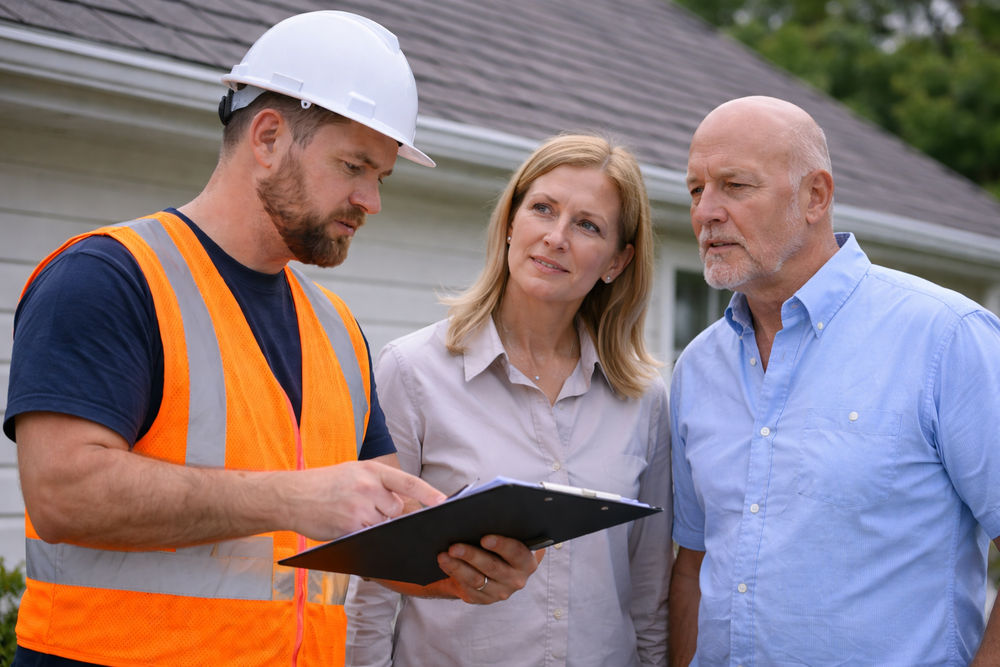
Understanding the difference between ethical and pushy roofing practices helps homeowners feel more confident when scheduling inspections.
Ethical Roofing Practices
Ethical roofers focus on education and clarity. They explain what they see, outline potential risks, and discuss multiple paths forward. Repairs, maintenance, or replacement are presented as options—not ultimatums.
These professionals recognize that roof condition varies widely and that age alone does not determine whether replacement is necessary. They also respect a homeowner’s timeline and budget.
Pushy Sales Tactics
Pushy practices often revolve around urgency. Homeowners may be told they must sign immediately to lock in pricing or avoid catastrophic damage. In reality, most roofing decisions benefit from thoughtful consideration, especially when weighing roof repair vs replacement options.
Homeowners who want to understand this decision more clearly can review this guide on roof repair vs replacement, which explains how condition, age, and damage severity factor into recommendations.
Why Ethics Matter in Roofing
Roofing is a major investment. Ethical practices protect homeowners from unnecessary costs and stress. They also protect the integrity of the roofing industry by prioritizing long-term trust over short-term profit.
How to Choose a Trustworthy Roofer
Knowing what to look for makes it easier to identify roofing professionals who offer genuine value.
Look for Education, Not Pressure
A trustworthy roofer takes time to answer questions and explain findings. They welcome homeowners who want to learn more about their roof rather than rushing them toward a decision.
Ask About the Inspection Process
Before scheduling, ask what the inspection includes. A clear explanation of exterior checks, interior evaluation, and documentation shows professionalism and accountability.
Review Services Offered
Companies that offer a range of services—repairs, maintenance, and replacement—are less likely to push unnecessary work. For example, businesses that handle both residential and commercial roof services often take a broader, system-based approach to inspections rather than focusing on one outcome.
Research the Company’s Reputation
A company’s main website and service pages often reflect its values. Reviewing the company’s background, community involvement, and educational content on the main page can provide insight into how they approach homeowners.
Trust Clear Communication
Transparency builds confidence. Inspectors who show photos, explain technical terms clearly, and provide written summaries demonstrate respect for the homeowner’s decision-making process.
Why Free Inspections Should Be About Education
The core of the free roof inspection truth is that inspections should empower homeowners—not pressure them. Education-first inspections give homeowners the information they need to plan responsibly.
Inspections Help You Plan Ahead
Even when no immediate action is required, inspections provide valuable insight into roof condition and future maintenance needs. This allows homeowners to budget and plan instead of reacting to emergencies.
Inspections Reduce Uncertainty
Many homeowners worry about hidden damage. A thorough inspection replaces guesswork with clarity, helping homeowners feel confident about their roof’s condition.
Inspections Support Smarter Decisions
When homeowners understand their roof, they can weigh options more effectively. This leads to better decisions about timing, repairs, or replacement—without feeling rushed.
When a Free Inspection Makes Sense
Free inspections are especially helpful:
After major storms or high winds
When a roof is over 10 years old
Before buying or selling a property
When small issues appear and need evaluation
As part of routine home maintenance
In these situations, a no-cost inspection removes barriers to responsible care.
Schedule an Education-First Roof Inspection
Free roof inspections do not mean free roof replacements—and they shouldn’t. When offered by reputable professionals, inspections are about understanding, not selling.
If you’re ready for clarity without pressure, the best next step is to schedule an education-first roof inspection. You can contact the Affirmed Roofing team to ask questions, learn about the inspection process, and get straightforward insight into your roof’s condition.
The right inspection puts knowledge back in the homeowner’s hands—and that’s where it belongs.