How Long Does a Roof Last in Kentucky? What Homeowners Should Expect
Wondering how long a roof lasts in Kentucky? Learn realistic roof lifespan expectations by material, climate factors, and maintenance tips for homeowners.
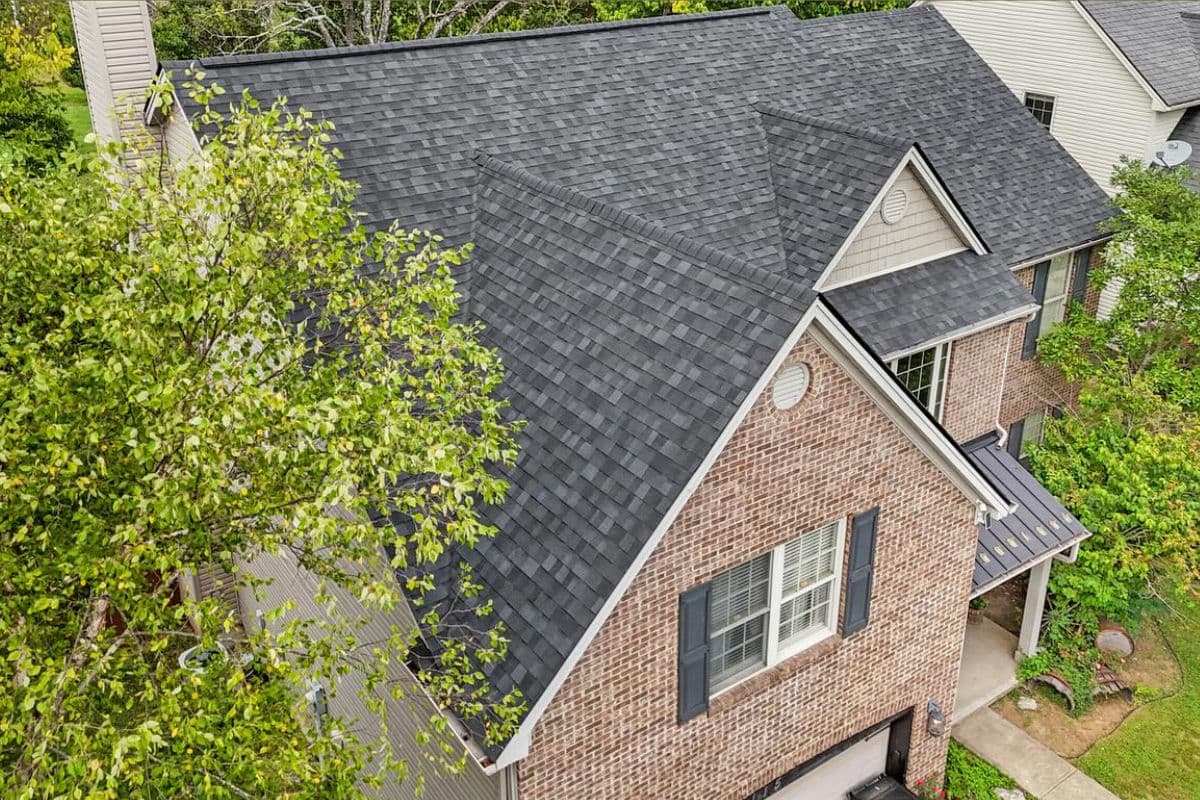
If you’re a Kentucky homeowner, it’s normal to wonder how long your roof is actually supposed to last. You may hear numbers like 20, 30, or even 50 years, but the reality is that roof lifespan in Kentucky is heavily influenced by local climate, weather patterns, and how well the roof is maintained over time.
Kentucky roofs deal with a little bit of everything—humid summers, heavy rain, freezing winters, strong winds, and sudden storms. Because of that, roofs here often age differently than they would in drier or more predictable climates. This guide breaks down what homeowners in Kentucky should realistically expect from their roofs, how different materials perform, and when aging becomes more than just a cosmetic issue.
Why Kentucky’s Climate Matters for Roof Lifespan
Kentucky sits in a region where weather changes quickly and often. Long stretches of humidity, frequent rainfall, and wide temperature swings put consistent stress on roofing systems throughout the year. A roof doesn’t just age from time passing—it ages from repeated exposure to moisture, heat, cold, and wind.
In summer, high humidity and heat can soften roofing materials and speed up deterioration. In winter, freeze-thaw cycles allow moisture to seep into small gaps, expand when frozen, and slowly cause cracks or separation. Spring and fall storms bring heavy rain and strong winds that test shingles, flashing, and seals.
Because of this, roof lifespan in Kentucky is often shorter than manufacturer estimates, especially when maintenance is delayed or ventilation is inadequate. Understanding how materials respond to these conditions helps homeowners plan ahead instead of reacting to leaks or damage.
Average Roof Lifespan by Material in Kentucky
Not all roofs age the same. Material choice plays a major role in how long a roof lasts under Kentucky conditions.
Asphalt Shingle Roof Lifespan in Kentucky
Asphalt shingles are the most common roofing material across Kentucky, mainly because they are cost-effective and versatile.
3-tab asphalt shingles typically last 12 to 18 years in Kentucky.
Architectural or dimensional shingles usually last 18 to 25 years with proper installation and ventilation.
While manufacturers may advertise longer warranties, Kentucky’s humidity and temperature swings often reduce real-world performance. Granule loss happens faster, shingles dry out sooner, and moisture-related issues appear earlier if ventilation is poor.
Algae growth is also common in Kentucky due to persistent humidity. While algae may start as a cosmetic issue, it traps moisture on the roof surface, which can accelerate shingle aging over time.
Metal Roofing Lifespan in Kentucky
Metal roofing performs very well in Kentucky’s climate and is gaining popularity among homeowners looking for long-term durability.
Standing seam metal roofs often last 40 to 50 years.
Exposed fastener metal roofs typically last 30 to 40 years, depending on maintenance.
Metal does not absorb moisture, resists mold and algae, and handles temperature changes more effectively than asphalt. It also sheds snow and rain efficiently, reducing moisture-related wear.
However, metal roofs still require periodic inspections. Fasteners, sealants, and flashing need to be checked over time as expansion and contraction can cause components to loosen.
Flat and Commercial Roof Lifespan in Kentucky
Flat and low-slope roofs are common on commercial buildings and some residential properties.
Modified bitumen roofs generally last 15 to 20 years.
EPDM rubber roofs typically last 20 to 25 years.
TPO and PVC roofing systems often reach 20 to 30 years with proper care.
Drainage is critical for flat roofs in Kentucky. Frequent rainfall increases the risk of ponding water, which accelerates membrane breakdown if not addressed. Regular inspections and drainage maintenance are essential to achieving full lifespan potential.
Kentucky Weather Factors That Shorten Roof Life
Kentucky’s climate introduces several challenges that directly affect roof longevity.
High Humidity and Moisture Exposure
Humidity is one of the biggest contributors to reduced roof lifespan in Kentucky. Moisture that lingers on roofing materials encourages algae, mold, and rot. Over time, moisture weakens shingles, deteriorates sealants, and can compromise roof decking beneath the surface.
Poor attic ventilation worsens this issue by trapping warm, moist air under the roof, accelerating material breakdown from the inside out.
Freeze-Thaw Cycles
During Kentucky winters, temperatures often fluctuate above and below freezing. When moisture enters small cracks or gaps, it expands as it freezes, slowly widening those openings. Over multiple seasons, this process damages shingles, flashing, and underlayment.
Strong Winds and Storm Events
Thunderstorms and high winds are common in Kentucky. Even when damage isn’t obvious, wind can loosen shingles, lift flashing edges, and expose vulnerable areas of the roof. Small issues left unaddressed often lead to leaks later on.
Sun and UV Exposure
Sun exposure dries out roofing materials over time. Asphalt shingles lose flexibility, become brittle, and shed granules more quickly when exposed to prolonged UV radiation, especially during hot Kentucky summers.
Maintenance Habits That Extend Roof Life
While Kentucky’s weather is demanding, proper maintenance can add years to a roof’s lifespan.
Schedule Regular Roof Inspections
An annual roof inspection helps identify early signs of wear before they turn into major problems. Inspections are especially important after strong storms or severe weather.
Keep Gutters and Downspouts Clear
Clogged gutters cause water to back up along roof edges, increasing the risk of rot, leaks, and ice-related damage in winter. Proper drainage protects both the roof and the structure below it.
Address Small Repairs Early
Loose shingles, cracked sealant, or minor flashing damage may seem insignificant, but these issues allow moisture to enter the system. Prompt repairs prevent water from reaching decking and insulation.
Maintain Proper Attic Ventilation
Balanced attic ventilation reduces heat and moisture buildup. In Kentucky homes, proper ventilation plays a major role in extending asphalt shingle lifespan and preventing mold growth.
Manage Algae and Moss Growth
Algae and moss retain moisture on the roof surface. While algae-resistant shingles help, periodic cleaning and inspections keep growth from accelerating roof deterioration.
When Aging Becomes a Safety Issue
An aging roof eventually becomes more than a cosmetic concern.
Warning Signs Homeowners Should Not Ignore
Common signs that a roof may be nearing the end of its lifespan include:
Persistent leaks or ceiling stains
Curling, brittle, or missing shingles
Granule buildup in gutters
Sagging roof lines or soft spots
Mold or moisture in the attic
These symptoms often indicate underlying damage that can worsen quickly if ignored.
Structural and Health Risks
Water intrusion compromises insulation, drywall, and framing. Over time, this weakens the structure of the home and creates conditions for mold growth. In Kentucky’s humid environment, mold spreads quickly once moisture is present.
Delaying repairs or replacement often results in higher costs and more extensive interior damage.
Planning Ahead Based on Roof Lifespan in Kentucky
Knowing the realistic roof lifespan Kentucky homeowners can expect allows for better planning. Rather than waiting for a failure, proactive replacement or repair near the end of a roof’s service life is usually more cost-effective and far less stressful.
A roof may look fine from the ground but still be approaching failure due to hidden moisture issues or aging underlayment. Professional inspections provide clarity and help homeowners make informed decisions.
Schedule an Inspection for Aging Roofs
If your roof is over 10 years old, has been through multiple storms, or you’re unsure about its condition, a professional inspection is a smart next step. Kentucky’s weather can be unpredictable, and early detection is the best way to protect your home.
A thorough roof inspection evaluates materials, ventilation, flashing, and drainage to determine whether maintenance, repairs, or replacement are needed. Taking action early helps extend roof lifespan, protect your investment, and avoid unexpected issues down the road.
Understanding how long a roof lasts in Kentucky puts homeowners in control—and that’s always a better position to be in.