Common Roofing Mistakes Homeowners Make When Delaying Repairs
Small roof problems often become costly due to delayed repairs. Learn the most common roof repair mistakes homeowners make and how to avoid them.
Common Roofing Mistakes Homeowners Make When Delaying Repairs
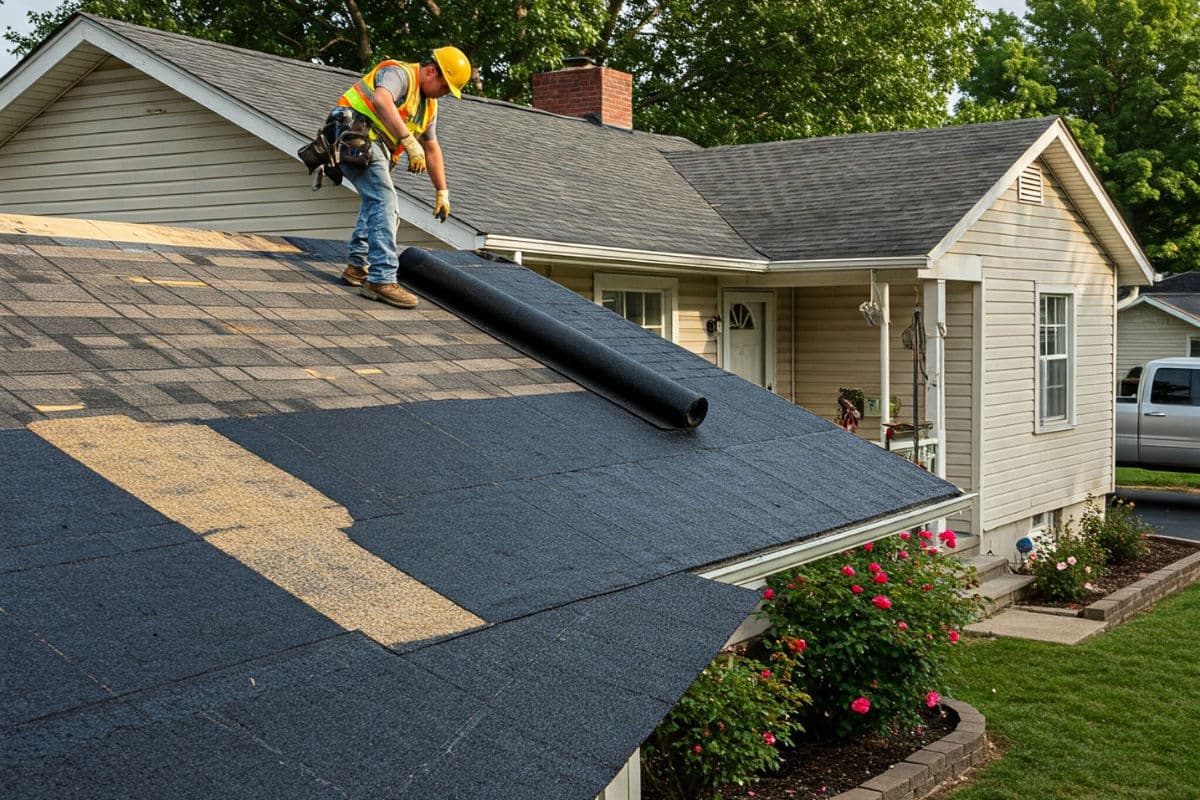
Roof problems rarely start as emergencies. More often, they begin as small, manageable issues that grow worse over time. One of the biggest challenges homeowners face is knowing when to act. Unfortunately, many delays are caused by common misunderstandings or assumptions. These roof repair mistakes can turn minor issues into costly repairs and shorten the life of the entire roofing system.
In Central Kentucky, where roofs are exposed to humidity, storms, temperature swings, and heavy rain, delaying repairs often leads to accelerated damage. This guide breaks down the most common roofing mistakes homeowners make when repairs are postponed, why they happen, and how early action can save both money and stress.
Ignoring Small Leaks
Small leaks are one of the most commonly ignored roofing issues—and one of the most damaging over time.
Assuming a Drip Is Not Urgent
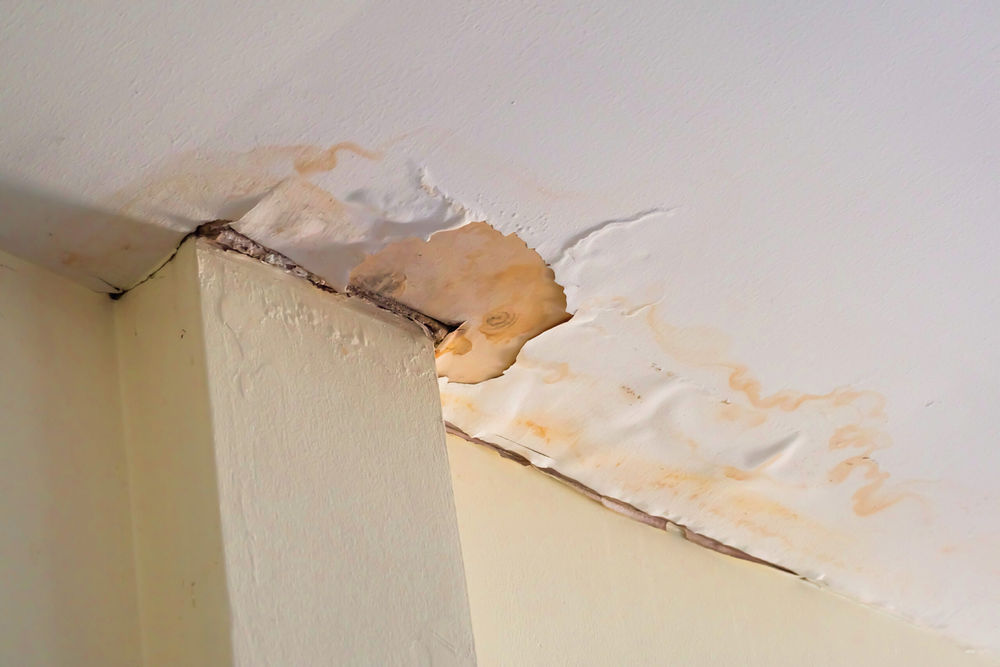
A slow drip or faint ceiling stain may not seem urgent, especially if it only appears during heavy rain. Many homeowners assume they can monitor it and address it later. The problem is that water rarely stays in one place. It travels along rafters, insulation, and drywall before becoming visible.
By the time a leak shows up inside the home, it has often been active for weeks or months.
Moisture Damage Builds Quietly
Even a small leak can saturate insulation, reduce energy efficiency, and weaken roof decking. In Kentucky’s humid climate, moisture trapped inside the attic creates ideal conditions for mold growth. This damage is often hidden and expensive to repair once discovered.
Small Repairs Are Easier and Cheaper
Addressing leaks early usually involves minor flashing repairs, sealant replacement, or shingle fixes. Waiting too long often means dealing with decking damage, insulation replacement, and interior repairs—far beyond the scope of a simple fix.
DIY Temporary Fixes
Another common mistake homeowners make is relying on temporary, do-it-yourself solutions instead of proper repairs.
Tarps and Sealants Are Not Long-Term Solutions
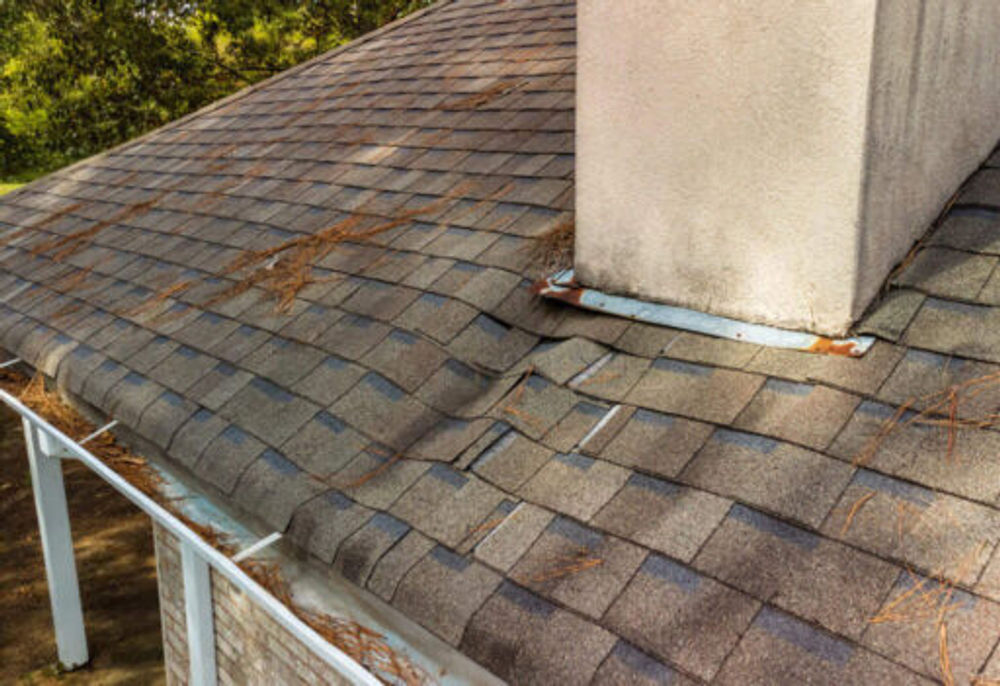
Covering a damaged area with a tarp or applying roofing cement may seem like a quick solution. While these methods can help in emergency situations, they are not designed to withstand long-term exposure to wind, rain, and temperature changes.
In many cases, temporary fixes fail during the next storm, allowing water to enter in new or worse ways.
DIY Repairs Can Hide Underlying Problems
Surface-level fixes often mask deeper issues. A visible leak may be caused by damaged underlayment, compromised flashing, or ventilation problems that are not obvious without a professional inspection. Covering the symptom without addressing the cause allows damage to continue unseen.
Improper Repairs Can Cause Additional Damage
Incorrectly applied sealants, mismatched materials, or poor fastening can make future repairs more difficult. Some DIY fixes even void manufacturer warranties, creating additional complications down the line.
Waiting Until Interior Damage Appears
Many homeowners wait until they see interior damage before taking action. Unfortunately, this is one of the most costly roof repair mistakes.
Interior Signs Mean the Problem Is Advanced
Water stains, bubbling paint, sagging drywall, or musty odors are signs that moisture has already breached multiple layers of the roofing system. At this stage, damage is rarely limited to the roof surface.
Structural Components Are Often Affected
When water reaches the interior, it has typically passed through shingles, underlayment, decking, and insulation. Prolonged exposure weakens structural components and increases the likelihood of rot or mold.
Repairs Become More Disruptive
Interior damage often requires drywall replacement, insulation removal, and sometimes mold remediation. These repairs are more invasive, time-consuming, and expensive than addressing roof issues early.
Choosing Price Over Quality
Cost is an important factor, but prioritizing the lowest price often leads to poor outcomes.
Low-Cost Repairs May Cut Corners
Some repairs focus on quick fixes rather than long-term solutions. Inexpensive materials or rushed labor may temporarily stop a leak but fail to address underlying vulnerabilities. These shortcuts often lead to repeat repairs.
Quality Materials Matter in Kentucky’s Climate
Kentucky’s weather demands durable materials and proper installation. Lower-quality shingles, flashing, or underlayment may not hold up to repeated exposure to moisture and temperature changes.
Long-Term Value Beats Short-Term Savings
Spending slightly more upfront for professional roofing services often saves money over time by reducing the risk of recurring issues and extending the overall lifespan of the roof.
How These Roofing Mistakes Add Up
Each of these mistakes may seem small on its own, but together they compound damage.
Delays Accelerate Roof Aging
Moisture intrusion, poor repairs, and neglect speed up material deterioration. What could have been a minor repair becomes a major project.
Small Problems Spread Quickly
Roof systems are interconnected. A leak in one area affects insulation, ventilation, and structural components elsewhere. Damage rarely stays isolated.
Stress and Uncertainty Increase
Unresolved roof issues create ongoing worry. Homeowners may avoid heavy rain forecasts or worry about potential interior damage. Early repairs eliminate uncertainty and restore peace of mind.
When Early Action Makes the Biggest Difference
The earlier a roofing issue is addressed, the more options homeowners have.
Repairs Are More Effective Early On
Early-stage damage is often limited to specific components. Repairs are simpler, less invasive, and more affordable.
Roof Lifespan Is Preserved
Addressing issues promptly helps the roof reach its expected lifespan instead of failing prematurely.
Planning Replaces Emergency Decisions
Early evaluations allow homeowners to plan repairs or replacements on their terms rather than reacting to emergencies during storms.
How to Avoid These Roof Repair Mistakes
Avoiding common roof repair mistakes starts with awareness and routine care.
Schedule regular roof inspections, especially after storms
Address small issues as soon as they appear
Avoid relying on temporary fixes for long-term problems
Work with professionals who prioritize proper diagnosis
Focus on quality and durability, not just price
These steps significantly reduce the risk of costly damage and extend the life of the roof.
Early Action Saves Money and Stress
Roof problems rarely improve on their own. Ignoring small issues, relying on temporary fixes, or waiting for interior damage almost always leads to higher costs. Understanding these roof repair mistakes empowers homeowners to take action before damage escalates.
A professional roof evaluation provides clarity. It identifies existing issues, explains repair options, and helps homeowners make informed decisions. Taking action early protects your home, your budget, and your peace of mind—long before a small problem turns into a major repair.