How Freeze–Thaw Cycles Damage Roofs in Kentucky Homes
Freeze–thaw cycles are a hidden cause of roof damage in Kentucky homes. Learn how repeated freezing and thawing affects shingles, flashing, and roof structure, why ice dams form, and what homeowners can do to prevent winter-related roof problems before costly repairs are needed.
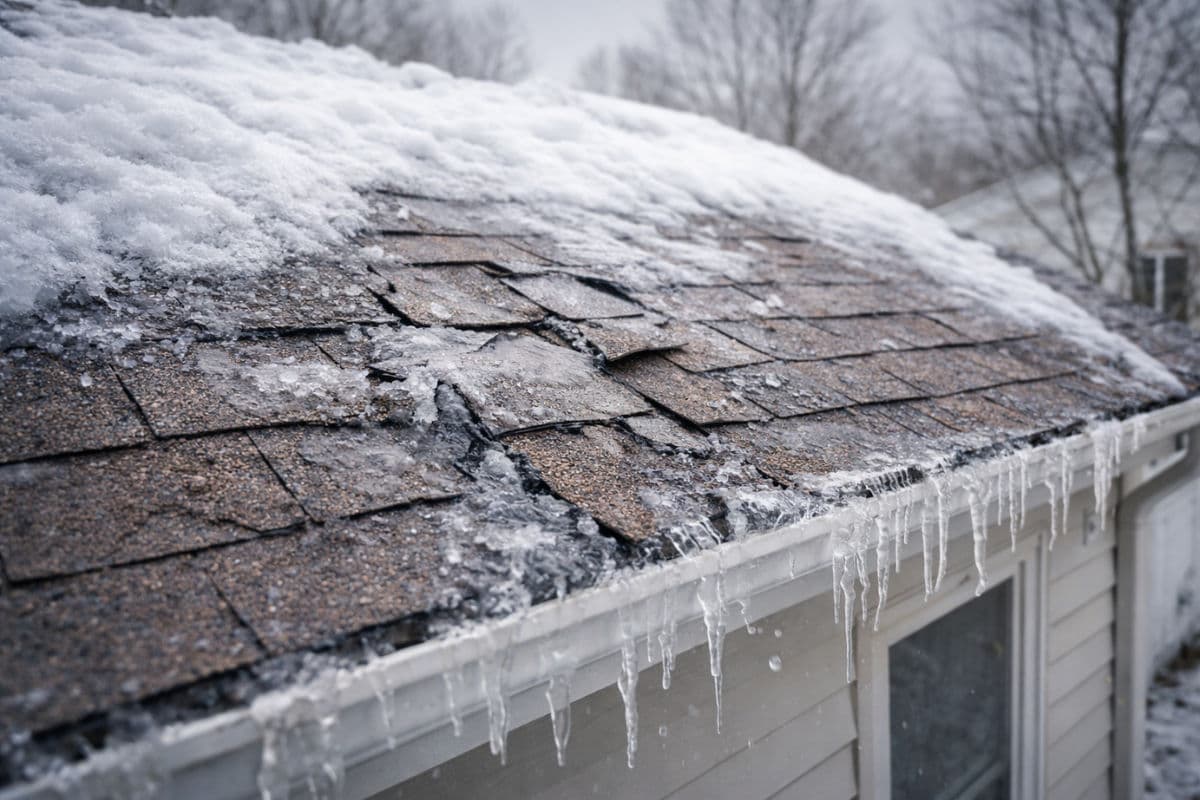
Winter weather in Kentucky doesn’t always bring constant snow or deep freezes. Instead, many homeowners experience a repeating pattern of cold nights followed by warmer daytime temperatures. While this may seem mild compared to harsher climates, these conditions create one of the most damaging weather patterns for roofs: freeze–thaw cycles.
Understanding freeze thaw roof damage is essential for Kentucky homeowners. These cycles quietly weaken roofing materials, accelerate aging, and often cause problems that don’t become visible until significant damage has already occurred. This guide explains what freeze–thaw cycles are, how they affect roofing systems, and what homeowners can do to protect their roofs during winter.
What Freeze–Thaw Means
Freeze–thaw cycles occur when moisture penetrates small openings in roofing materials, freezes as temperatures drop, then thaws when temperatures rise again.
Why Kentucky Homes Are Especially Vulnerable

Kentucky winters frequently hover around the freezing point. This means roofs may freeze overnight and thaw during the day—sometimes repeatedly within the same week. Each cycle causes expansion and contraction that stresses roofing materials over time.
How Moisture Enters the Roof System
Moisture can enter through:
Small shingle cracks
Loosened flashing
Nail penetrations
Valleys and roof edges
Even tiny openings are enough to allow water in. Once moisture is present, freeze–thaw damage begins.
Shingle & Flashing Damage
One of the most common forms of freeze thaw roof damage occurs at the shingle and flashing level.
Shingle Cracking and Splitting
When water seeps beneath shingles and freezes, it expands. This expansion pushes against the shingle material, causing it to crack, split, or lose its protective granules. Repeated cycles worsen the damage until shingles can no longer shed water properly.
Flashing Separation
Flashing is designed to create a watertight seal around chimneys, vents, skylights, and roof intersections. Freeze–thaw movement causes flashing to:
Pull away from surfaces
Warp or bend
Lose sealant adhesion
Once flashing fails, water intrusion becomes much more likely.
Why This Damage Often Goes Unnoticed
Freeze–thaw damage usually develops beneath the surface. Many homeowners don’t notice a problem until leaks appear, which is why it’s often linked to common roofing mistakes homeowners make when delaying repairs.
Ice Dams Explained
Ice dams are one of the most destructive winter roofing issues caused by freeze–thaw cycles.
How Ice Dams Form
Ice dams develop when heat escapes from the home into the attic, warming the roof surface. Snow melts, flows downward, and refreezes near the colder roof edges. Over time, ice builds up and prevents proper drainage.
Why Ice Dams Are So Dangerous
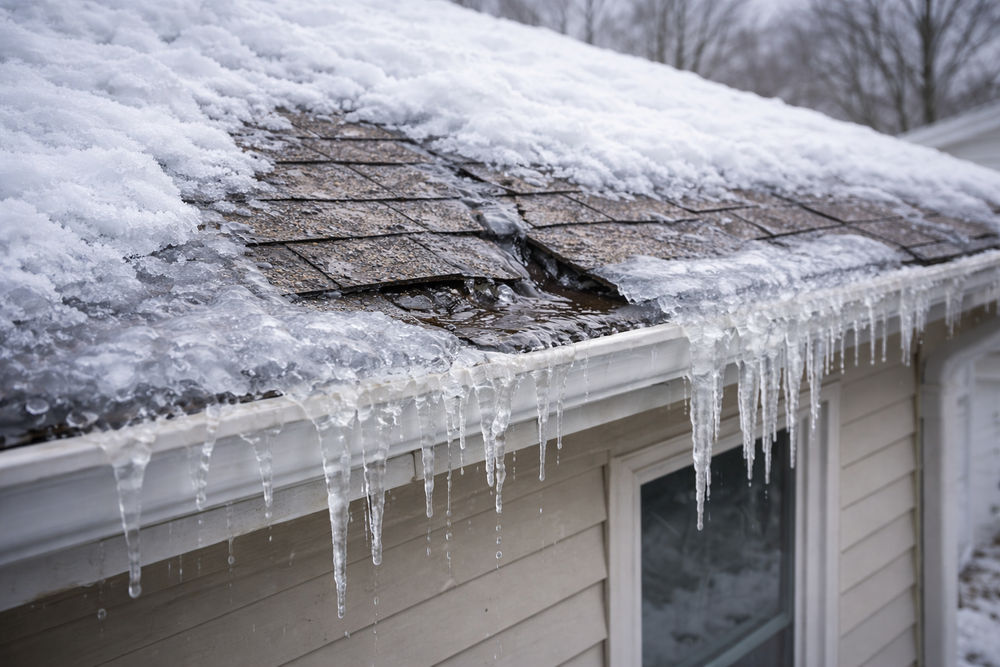
Once ice blocks water flow, melting snow has nowhere to go. Water backs up beneath shingles and enters the roof system, leading to:
Interior leaks
Damaged insulation
Rotting roof decking
Mold growth
Ice dam damage is often extensive by the time it becomes visible inside the home.
Ice Dams and Roof Lifespan
Repeated ice dam events significantly shorten roof lifespan. Homeowners concerned about long-term durability can learn more about contributing factors in
what affects roof lifespan in Central Kentucky.
Structural Stress Beyond Shingles
Freeze–thaw damage doesn’t stop at the roof surface.
Decking Expansion and Weakening
Roof decking absorbs moisture over time. When wet decking freezes, it expands and contracts, weakening its structural integrity. This can lead to:
Sagging roof areas
Soft spots
Compromised load support
Fastener Loosening
Nails and fasteners expand and contract along with surrounding materials. Over time, this movement causes fasteners to loosen, making shingles more susceptible to wind damage once spring storms arrive.
Connection to Broader Weather Damage
Freeze–thaw cycles often work in combination with other seasonal threats. For a broader overview, homeowners can reference
roofing problems caused by Kentucky weather.
Prevention Strategies
While freeze–thaw cycles are unavoidable in Kentucky, proactive steps can significantly reduce damage.
Improve Attic Insulation
Proper insulation keeps heat inside the home rather than escaping into the attic. This reduces uneven roof temperatures that contribute to snowmelt and refreezing.
Ensure Proper Ventilation
Balanced attic ventilation helps regulate temperature and moisture levels. Good airflow reduces condensation and limits freeze–thaw stress on roofing materials.
Seal Vulnerable Areas
Professional inspections can identify small gaps, failing sealants, or flashing issues before winter conditions worsen them. Early repairs are far less disruptive and costly.
Maintain Gutters and Roof Edges
Clear gutters allow melting snow to drain properly. Blocked gutters increase the risk of ice dams and water backup along roof edges.
Working with professional residential roof services ensures these preventive measures are properly evaluated and addressed.
Why Early Winter Inspections Matter
Freeze–thaw damage is rarely sudden—it’s cumulative.
Damage Builds Over Time
Each freeze–thaw cycle adds stress. While one event may cause minimal damage, repeated cycles compound the problem throughout the winter season.
Inspections Provide Clarity
A professional inspection identifies early signs of freeze–thaw damage before leaks develop. This allows homeowners to plan repairs rather than respond to emergencies.
Planning Beats Emergency Repairs
Addressing winter-related issues early helps homeowners avoid interior damage, mold remediation, and unexpected repair costs during colder months.
Winter Readiness Check for Kentucky Homes
Freeze–thaw cycles are a quiet but powerful force affecting roofs across Kentucky. Understanding freeze thaw roof damage helps homeowners recognize why winter readiness matters just as much as storm preparedness.
If your home experiences fluctuating winter temperatures, now is the right time to schedule a winter readiness check. A professional evaluation helps identify vulnerabilities, explains preventive options, and ensures your roof is prepared for continued seasonal stress.
To get started, contact the Affirmed Roofing team to schedule a winter-focused roof inspection. Early action protects your roof, preserves its lifespan, and gives you confidence heading into the colder months.