What Affects Roof Lifespan in Central Kentucky?
Roof lifespan in Central Kentucky depends on more than age. Learn how weather, materials, installation, ventilation, and maintenance affect longevity.
When homeowners ask how long a roof should last, the better question is often what actually affects roof lifespan in Central Kentucky. Two homes with the same roofing material can age very differently depending on weather exposure, installation quality, ventilation, and maintenance habits.
Central Kentucky presents a unique mix of climate conditions that place constant stress on roofing systems. Understanding these roof lifespan factors in Kentucky helps homeowners spot risks early, make smarter material choices, and avoid premature roof failure. This guide breaks down the most important factors that influence how long a roof truly lasts in our region.
Climate & Seasonal Stress in Central Kentucky
Central Kentucky’s climate is one of the biggest contributors to shortened roof lifespan. Roofs here rarely get a break from environmental pressure.
Humidity and Moisture Exposure
High humidity is a year-round challenge in Central Kentucky. Moisture lingers longer on roofing materials, especially on shaded roof sections. Over time, this encourages algae growth, speeds up shingle deterioration, and increases the risk of wood rot beneath the surface.
Humidity also affects what happens inside the home. Warm, moist air that rises into the attic can condense on cooler roof decking, slowly weakening the structure from the inside if ventilation is inadequate.
Freeze-Thaw Cycles in Winter
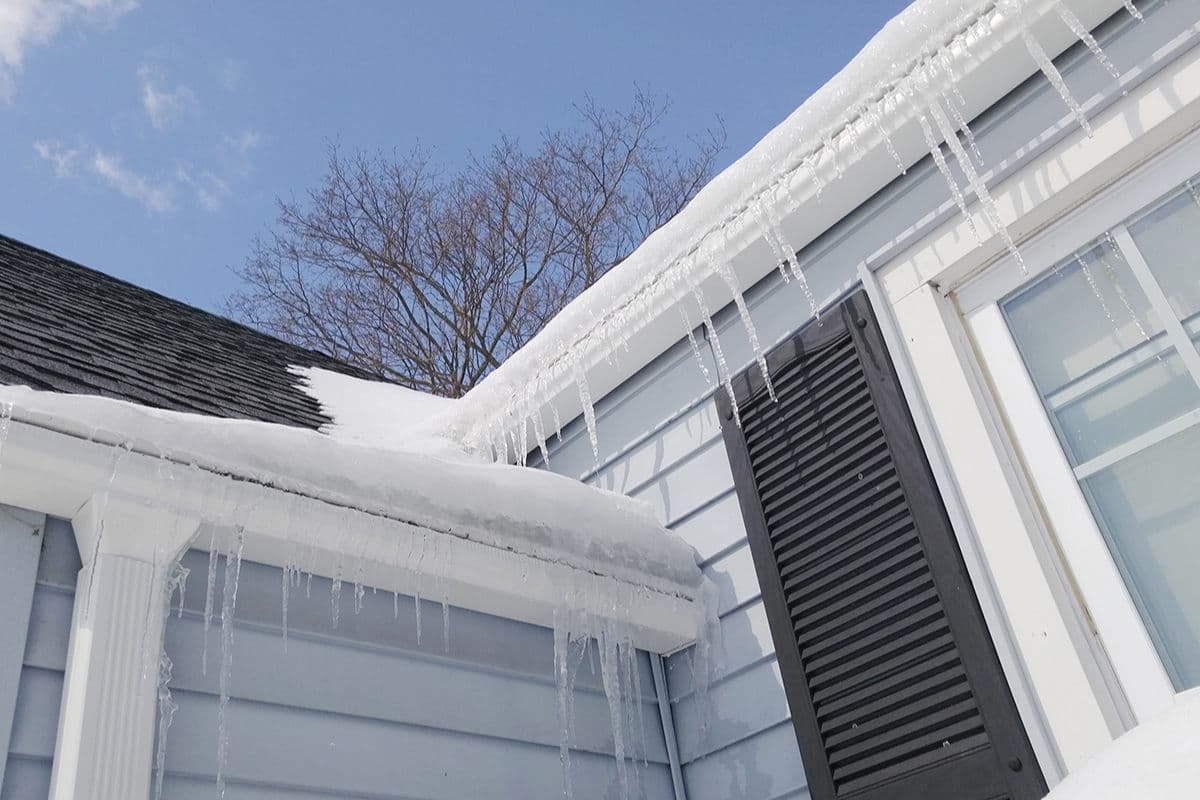
Winter temperatures in Central Kentucky frequently move above and below freezing. When moisture enters small cracks or gaps, it freezes, expands, and slowly enlarges those openings. Over multiple seasons, freeze-thaw cycles damage shingles, flashing, sealants, and underlayment.
This process is subtle and often invisible from the ground, but it is one of the most common contributors to early roof aging in the region.
Storms, Wind, and Heavy Rain
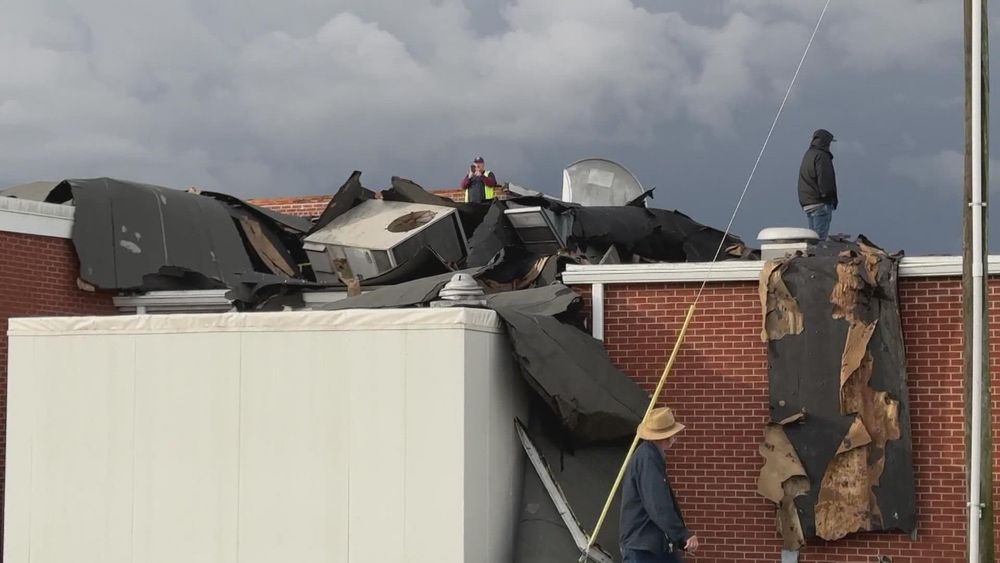
Thunderstorms, straight-line winds, and seasonal downpours are common in Central Kentucky. Even when a storm does not cause obvious damage, wind uplift can loosen shingles and flashing. Water then finds its way into vulnerable areas during the next rainfall.
Repeated storm exposure is a major roof lifespan factor in Kentucky, especially for older roofs or those with previous repairs.
Roofing Material Quality Matters More Than Most Homeowners Think
Roofing material choice plays a major role in how well a roof holds up under Central Kentucky conditions.
Asphalt Shingle Grades and Performance
Not all asphalt shingles are created equal. Lower-grade, three-tab shingles tend to wear out faster in Kentucky’s humid and storm-prone climate. Architectural shingles perform better because they are thicker and more resistant to wind and moisture.
However, even high-quality shingles will fail early if they are not paired with proper ventilation and underlayment.
Metal Roofing and Durability
Metal roofing performs exceptionally well in Central Kentucky. It resists moisture absorption, sheds water efficiently, and handles temperature swings better than asphalt. Metal roofs are less susceptible to algae growth and typically suffer less storm-related damage.
That said, the quality of coatings, fasteners, and flashing still matters. Lower-quality components can shorten the lifespan of an otherwise durable system.
Underlayment and Supporting Materials
Many homeowners focus only on the visible roofing material, but underlayment plays a critical role in roof lifespan. High-quality synthetic underlayment and proper ice and water barriers provide essential protection against moisture intrusion, especially during storms or freeze-thaw events.
Installation Quality Is Often Overlooked
Even the best roofing materials cannot overcome poor installation. Installation quality is one of the most underestimated roof lifespan factors in Kentucky.

Flashing and Detail Work
Flashing around chimneys, vents, skylights, and roof transitions is one of the most common failure points. Improperly installed flashing allows water to penetrate the roof system, leading to leaks and structural damage.
These issues often appear years before shingles show visible wear, which is why professional inspections are so important.
Nail Placement and Shingle Sealing
Incorrect nail placement, overdriven fasteners, or insufficient fastening reduce a roof’s ability to withstand wind. In Central Kentucky, where storms are frequent, these small installation errors significantly shorten roof lifespan.
Proper sealing ensures shingles bond correctly and resist uplift during high winds.
Roof Slope and Drainage Design
Roof design also affects longevity. Poor drainage or low-slope areas that hold water increase wear and moisture exposure. Even well-installed roofs suffer when water does not drain efficiently.
Ventilation & Attic Conditions
Attic ventilation plays a larger role in roof lifespan than many homeowners realize.
Heat Buildup and Shingle Aging
In summer, poorly ventilated attics trap heat. This heat transfers to the roof deck and shingles, accelerating aging from the underside. Asphalt shingles dry out faster, lose flexibility, and become brittle sooner.
Moisture Control and Condensation
In winter, warm air from the home rises into the attic. Without proper ventilation, moisture condenses on cold surfaces, soaking insulation and roof decking. Over time, this leads to mold, rot, and structural weakening.
Balanced intake and exhaust ventilation helps regulate temperature and moisture year-round, extending roof lifespan in Central Kentucky homes.
Insulation and Air Sealing
Proper insulation and air sealing reduce the amount of conditioned air escaping into the attic. This lowers moisture buildup and temperature extremes, helping the roof system perform as intended.
Maintenance vs Neglect
Maintenance habits often determine whether a roof reaches the end of its expected lifespan or fails early.
Routine Inspections
Annual inspections identify early warning signs like loose shingles, cracked sealant, or minor flashing issues. Addressing these problems early prevents water intrusion and larger repairs later.
Inspections are especially important after severe weather events.
Gutter and Drainage Maintenance
Clogged gutters cause water to back up under shingles and along roof edges. In winter, this can contribute to ice-related damage. Clean, functional gutters protect both the roof and the structure below.
Small Repairs Add Up
A single missing shingle or damaged seal may seem minor, but moisture spreads quickly once it enters the system. Prompt repairs significantly extend roof lifespan and reduce long-term costs.
Ignoring Problems Accelerates Failure
Neglect allows small issues to compound. What starts as a minor leak can turn into decking damage, insulation saturation, and interior repairs. In Central Kentucky’s humid climate, neglect shortens roof lifespan dramatically.
How These Factors Work Together
Roof lifespan is rarely affected by just one issue. Climate, materials, installation, ventilation, and maintenance all interact. A high-quality roof installed correctly but neglected over time may fail early. Likewise, regular maintenance cannot fully compensate for poor installation or inadequate ventilation.
Understanding these roof lifespan factors Kentucky homeowners face helps set realistic expectations and encourages proactive care.
Schedule a Professional Roof Evaluation
If your roof has been exposed to multiple storms, shows signs of aging, or is over 10 years old, a professional evaluation is a smart step. Central Kentucky weather is unpredictable, and early detection is key to preventing costly damage.
A professional roof evaluation looks at materials, installation details, ventilation, flashing, and drainage to assess overall condition. Whether your roof needs maintenance, repairs, or long-term planning, expert insight helps you make informed decisions and protect your home.
Knowing what affects roof lifespan in Central Kentucky gives homeowners control—and that’s always better than waiting for a leak to decide for you.