Temporary Roof Repairs vs Permanent Fixes: What Homeowners Should Know
Temporary roof repairs can help protect your home after sudden damage, but they should never replace permanent solutions. Learn when temporary fixes are necessary, the risks of relying on them too long, and how homeowners can transition to lasting roof repairs that protect their property.
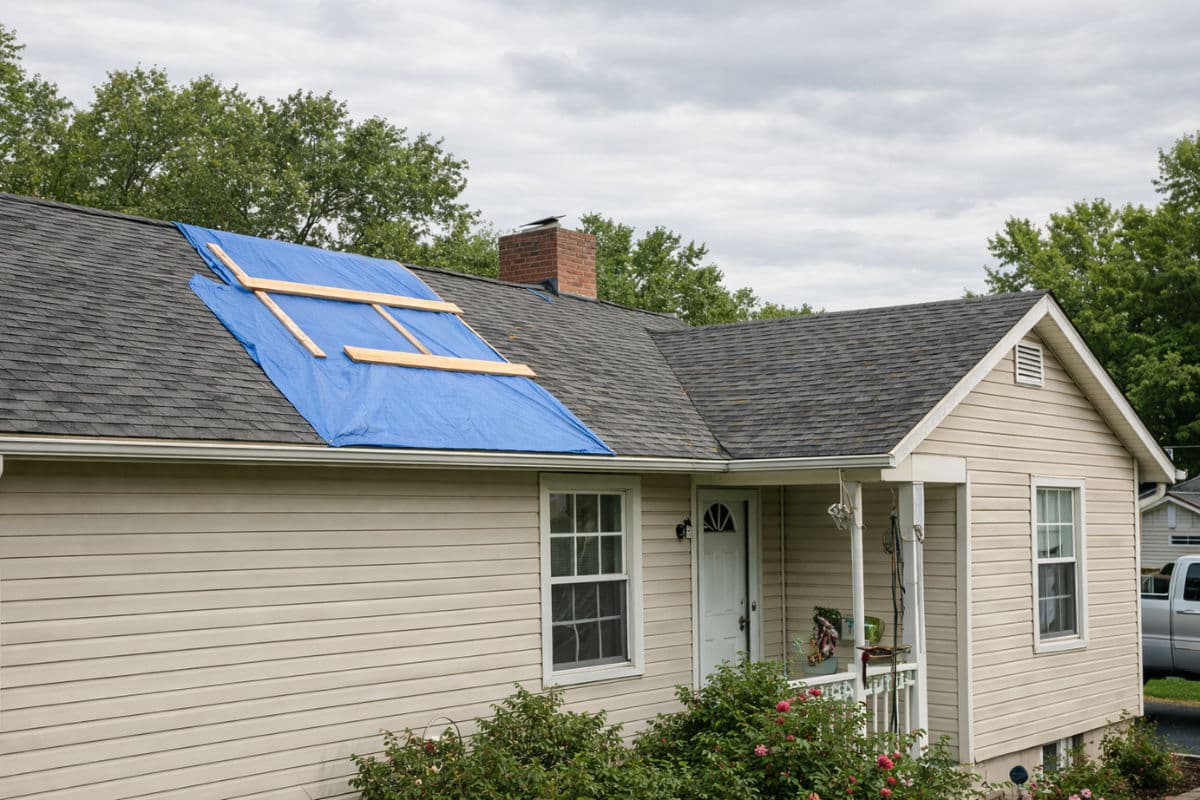
Roof damage rarely happens at a convenient time. Storms, fallen debris, and unexpected leaks can appear suddenly, leaving homeowners searching for a quick solution. In many cases, the first step involves a temporary roof repair designed to stop water intrusion and protect the home until a full repair can be completed.
Temporary fixes can be extremely useful in emergencies, but they are not meant to replace long-term solutions. Understanding the difference between short-term repairs and permanent roofing work helps homeowners make informed decisions about protecting their homes.
This guide explains when temporary repairs are appropriate, the risks of relying on them for too long, and how to transition toward a durable, long-term roofing solution.
When Temporary Fixes Are Necessary
Temporary roof repairs are often used when immediate protection is needed but a full repair cannot be performed right away.
Emergency Weather Situations
Severe storms are one of the most common reasons temporary repairs are needed. High winds, hail, and heavy rain can tear shingles loose or damage flashing unexpectedly. During these situations, emergency measures like tarping or sealing vulnerable areas help prevent additional water from entering the home.
Homeowners in Kentucky frequently experience sudden weather changes, which is why it’s important to understand how regional conditions affect roofing systems. Storm patterns, temperature swings, and seasonal precipitation all contribute to the types of weather-related roofing problems common in Kentucky homes.
Waiting for Professional Repairs
Sometimes temporary fixes are needed simply because a professional roofer cannot immediately complete permanent repairs. For example:
Roofing crews may be fully scheduled after a major storm
Materials may need to be ordered
Weather conditions may delay full installation
A temporary repair keeps the home protected while permanent work is planned.
Insurance Claim Situations
Insurance claims can also delay full repairs. Many homeowners must document damage, wait for adjuster inspections, and review coverage details before starting major roofing work. Temporary repairs prevent additional damage during this process.
Common Types of Temporary Roof Repairs
Several temporary methods are commonly used to reduce damage until permanent repairs can be completed.

Roof Tarp Installation
A tarp placed over a damaged section of the roof helps block rain and debris from entering the home. Properly secured tarps are often used after storm damage or when large sections of shingles are missing.
Temporary Sealants
Roof sealants or roofing tape may be applied to small cracks, flashing gaps, or exposed nail heads. These materials provide short-term protection against water intrusion but are not designed for long-term durability.
Shingle Repositioning
If shingles have lifted but are still intact, a roofer may temporarily secure them to reduce wind exposure until a full repair or replacement is completed.
While these solutions can help reduce immediate risks, they should always be viewed as short-term protection rather than permanent repairs.
Risks of Long-Term Temporary Solutions
Temporary roof repairs are helpful in emergencies, but relying on them for extended periods can lead to more serious issues.
Hidden Water Intrusion
Temporary repairs often address visible damage but may not fully seal the roofing system. Over time, moisture can still enter small openings and spread beneath roofing materials.
This is particularly dangerous because water rarely stays confined to one area. Small leaks can travel through insulation, framing, and ceiling materials, eventually causing widespread deterioration. These situations often lead to the type of structural problems caused by untreated roof leaks that many homeowners underestimate.
Accelerated Material Deterioration
Temporary materials like tarps and sealants are not designed to withstand long-term exposure to sunlight, wind, and heavy rainfall. Over time, these materials degrade and lose effectiveness.
If left in place too long, the original damage may worsen, leading to larger repair needs later.
Increased Repair Costs
Delaying permanent repairs can turn a small issue into a much larger project. Moisture that enters the roof system may damage:
Roof decking
Insulation
Ceiling drywall
Structural framing
What might have been a minor repair initially can eventually require extensive restoration work.
Transitioning to Permanent Repairs
Once a temporary repair is in place, the next step should always be planning a long-term solution.
Professional Roof Inspection
A professional inspection identifies the full extent of roof damage. In many cases, what appears to be a small issue on the surface may involve deeper structural concerns.
Roofing professionals evaluate:
Shingle condition
Flashing integrity
Roof decking stability
Ventilation systems
Signs of hidden moisture
This inspection helps determine whether a repair is sufficient or if more significant work is required.
Determining Repair vs Replacement
Sometimes a permanent repair is simple, such as replacing damaged shingles or sealing flashing around vents. However, if damage is widespread or the roof is near the end of its lifespan, replacement may be the better long-term solution.
Homeowners often benefit from understanding the difference between patch repairs and full system upgrades. In some cases, evaluating whether a roof should be repaired or replaced entirely helps clarify the most practical long-term investment.
Planning Repairs at the Right Time
Permanent roofing repairs require proper materials, favorable weather conditions, and professional installation. Scheduling work promptly after a temporary repair ensures the roof remains protected without long delays.
Working with experienced roofing professionals helps homeowners move from short-term protection toward a durable roofing system designed to last for years.
Long-Term Planning Protects Your Roof
Temporary roof repairs serve an important purpose: they provide immediate protection when unexpected damage occurs. However, they should always be viewed as a short-term measure rather than a permanent solution.
Relying on temporary fixes for too long increases the risk of water intrusion, structural deterioration, and higher repair costs. Transitioning to professional repairs as soon as possible protects both the roof and the home beneath it.
If your home has experienced roof damage or you’re currently relying on a temporary fix, professional residential roofing services can help evaluate the condition of your roof and recommend the right long-term solution.
For guidance or to schedule an inspection, homeowners can reach out to the Affirmed Roofing team to discuss repair options and plan the next steps toward a safe and durable roof.
Taking action early ensures temporary repairs remain exactly what they’re meant to be: a short-term safeguard while a permanent solution is put in place.