Roof Repair vs Replacement: How to Know Which Your Home Needs
Not sure if your roof needs repair or full replacement? Learn the key signs, cost differences, and how age and condition affect the right decision.
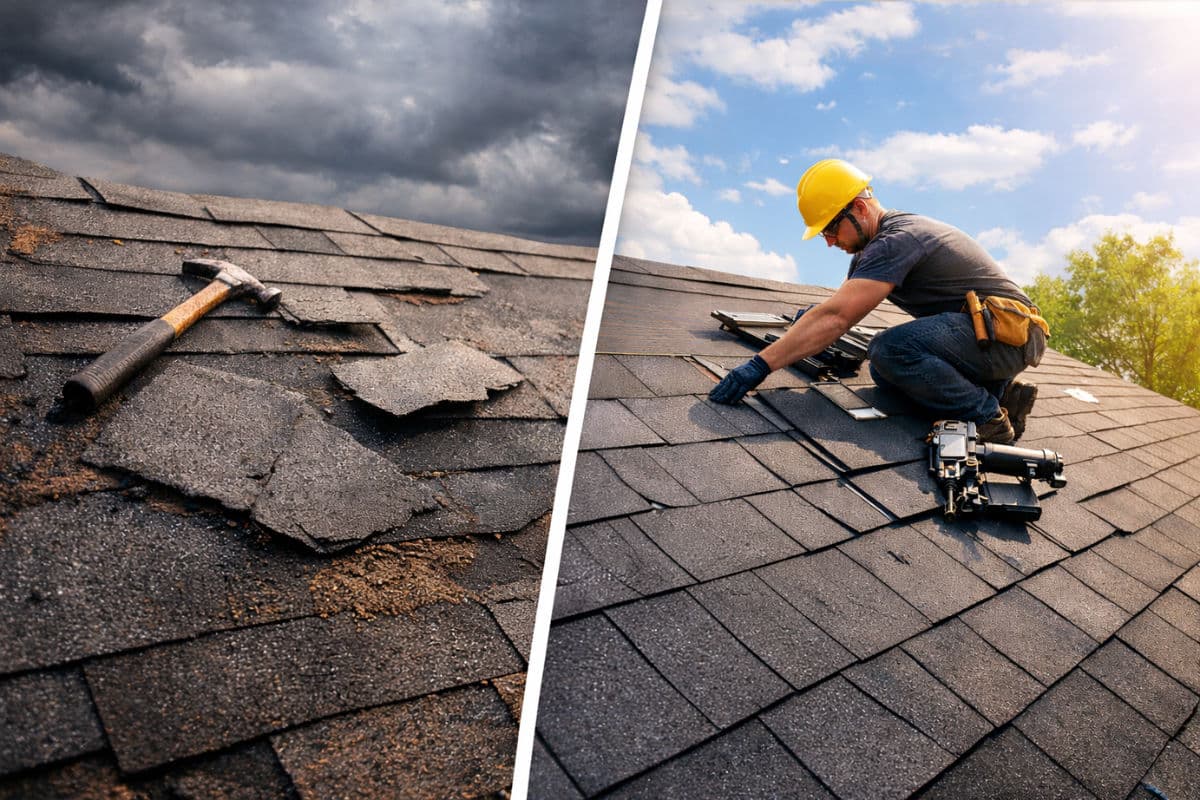
One of the most common questions homeowners ask is whether they need a roof repair or a full replacement. The decision is not always obvious. A few missing shingles might seem minor, while a small leak could signal a much larger issue beneath the surface. Understanding the difference between roof repair vs replacement helps homeowners make confident, informed decisions instead of reacting to the first sign of trouble.
In Central Kentucky, roofs are exposed to humidity, storms, temperature swings, and heavy rain. These conditions can cause damage that looks small at first but worsens quickly if ignored. This guide walks through the clear signs that a roof can be repaired, when replacement is the better option, how age and condition factor in, and how to think about costs in a practical way.
Signs a Roof Can Be Repaired
Not every roofing issue requires a full replacement. In many cases, targeted repairs can restore protection and extend the life of the roof.
Localized or Isolated Damage
If damage is limited to a small area, repair is often the right solution. Examples include a few missing shingles after a storm or minor damage around a single roof penetration. When the rest of the roof is in good condition, repairing the affected section can stop leaks and prevent further issues.
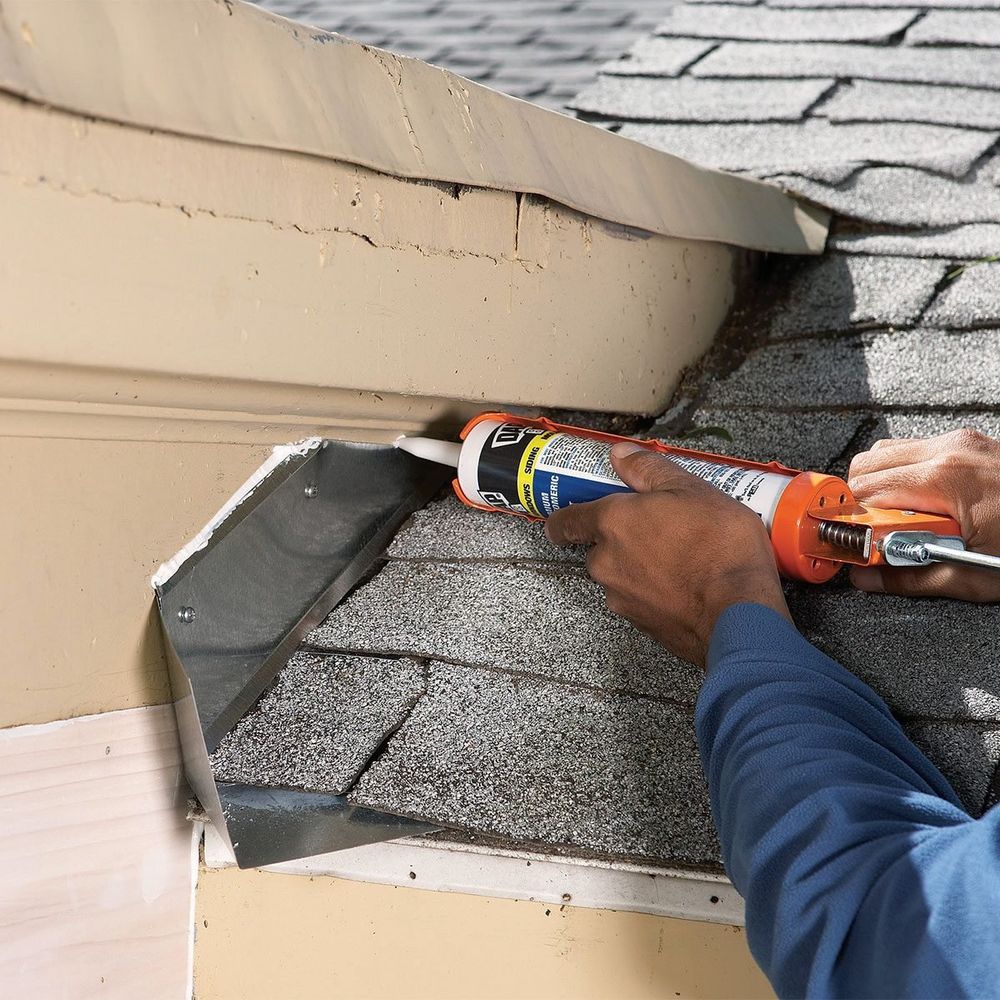
Flashing or Sealant Problems
Flashing around chimneys, vents, skylights, and roof transitions is a common source of leaks. Cracked sealant or loose flashing does not usually mean the entire roof has failed. These components can often be repaired or replaced without disturbing the rest of the roofing system.
Minor Leaks Caught Early
A small leak discovered early can often be repaired before it spreads. Leaks that have not yet caused insulation saturation, decking damage, or interior mold are good candidates for repair. Timing matters. The sooner the issue is addressed, the more likely repair will be sufficient.
Roof Still Within Its Expected Lifespan
Age plays a role, but it is not the only factor. Weather exposure, ventilation, material quality, and maintenance history all influence roof performance, which is why the factors that affect roof lifespan in Central Kentucky matter just as much as the number of years on the roof.
Signs Replacement Is the Better Option
In some situations, repairs only delay the inevitable. Understanding when replacement is the smarter choice can save money and frustration in the long run.
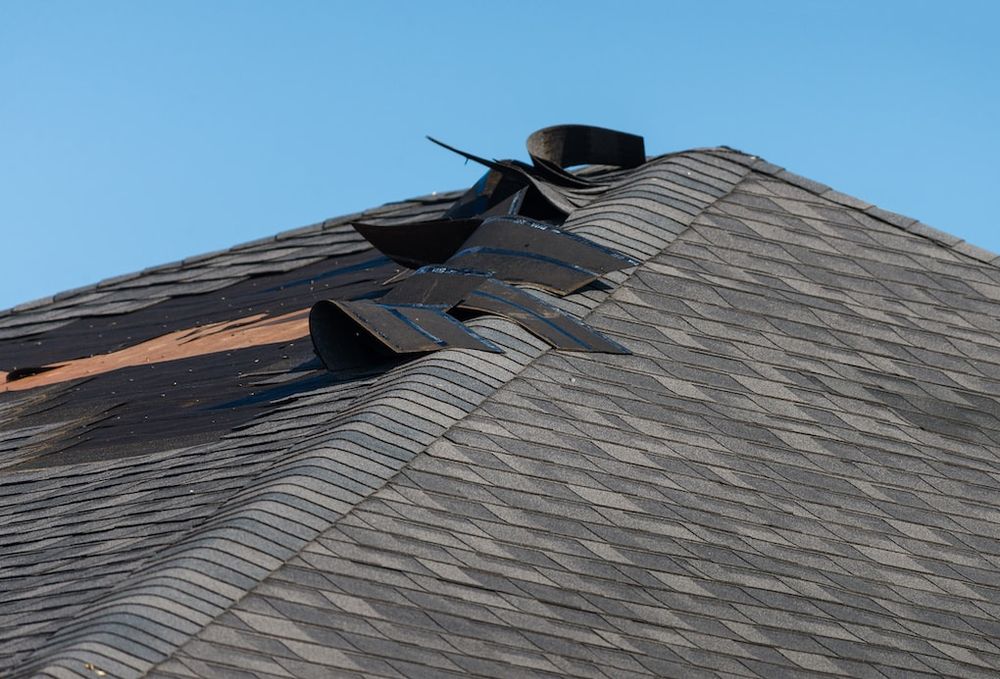
Widespread or Repeated Damage
When damage is widespread or structural issues are present, replacement is often the safest and most reliable solution, especially when handled by professional residential roofing services designed for Kentucky homes.
Shingles Are Curling, Brittle, or Bald
Shingles that are curling, cracking, or missing granules are signs of advanced aging. These shingles no longer protect the home effectively. Repairing individual spots does not solve the underlying deterioration affecting the entire roof surface.
Structural Issues or Sagging
A sagging roofline, soft spots, or visible dips indicate structural concerns. These problems often involve compromised decking or framing, which requires more than surface-level repairs. Replacement allows these issues to be addressed properly and safely.
Ongoing Leaks Despite Repairs
If repairs have been made repeatedly and leaks continue to return, replacement is usually the more reliable solution. Persistent leaks suggest hidden damage that repairs alone cannot resolve.
Age vs Condition: Which Matters More?
Homeowners often focus on age when thinking about roof repair vs replacement, but condition is just as important.
Age Provides Context, Not the Full Answer
Most asphalt roofs in Kentucky last between 15 and 25 years depending on material quality, ventilation, and maintenance. Metal roofs last significantly longer. However, a roof’s condition can vary widely even among roofs of the same age.
A 10-year-old roof with poor ventilation and storm damage may need replacement, while a 20-year-old roof that has been well maintained may still be performing adequately.
Condition Reveals What Is Happening Beneath the Surface
Professional inspections look beyond visible shingles. They assess flashing, underlayment, ventilation, decking, and moisture levels. These factors often determine whether repair is still viable or replacement is the safer option.
Past Repairs Matter
Roofs that have been patched repeatedly may no longer be good candidates for additional repairs. At a certain point, repairs become less effective and more costly than replacement.
Cost Considerations Explained Simply
Cost is often the deciding factor for homeowners, but it helps to look beyond the upfront price.
Repair Costs: Lower Short-Term Investment
Roof repairs usually cost less initially. For localized issues, repair can be a practical way to extend roof life without a major expense. Repairs make sense when they solve the problem fully and do not compromise long-term performance.
Replacement Costs: Higher Upfront, Greater Value
Roof replacement costs more upfront, but it resets the clock on roof lifespan. A new roof improves protection, energy efficiency, and resale value. It also reduces the risk of unexpected repair costs in the near future.
The Cost of Delaying the Decision
Choosing repair when replacement is needed often leads to higher costs over time. Ongoing leaks can damage insulation, drywall, flooring, and structural components. These interior repairs frequently cost more than addressing the roof properly in the first place.
Insurance and Long-Term Planning
In some cases, storm damage may be covered by insurance, making replacement more affordable. Planning ahead based on roof condition helps homeowners avoid emergency decisions and budget surprises.
How Repairs and Replacement Affect Peace of Mind
Beyond cost and materials, there is a practical side to the decision.
Reliability Matters
A repaired roof may perform well for years when repairs are appropriate. A failing roof that continues to need attention creates uncertainty. Replacement provides reliability and reduces ongoing concerns.
Safety and Health Considerations
Leaks can lead to mold growth, which spreads quickly in Kentucky’s humid climate. Structural issues pose safety risks. Addressing these concerns properly protects both the home and the people living in it.
Making the Right Decision for Your Home
Every roof is different. The right choice depends on a combination of age, condition, damage extent, and future plans for the home. That is why a professional evaluation is so important.
An experienced inspection provides clarity. It helps homeowners understand whether repair will truly solve the problem or if replacement is the better long-term solution.
Schedule an Inspection for Clarity
If you are unsure whether your roof needs repair or replacement, a professional inspection is the best place to start. An inspection evaluates damage, material condition, ventilation, flashing, and structural integrity.
Understanding the difference between roof repair vs replacement helps homeowners make confident, informed decisions instead of reacting to the first sign of trouble, especially when considering how long a roof typically lasts in Kentucky.