Why Small Roof Leaks Cause Mold, Rot, and Structural Damage
A small roof leak may seem minor, but hidden moisture can lead to mold growth, wood rot, and serious structural damage. Learn how water spreads through roofing systems, why leaks worsen over time, and how early repairs can protect your home from costly repairs and long-term damage.
Why Small Roof Leaks Are Dangerous
Many homeowners assume a small roof leak is a minor issue that can wait. A faint water stain or occasional drip may seem harmless, especially if it only appears during heavy rain. However, even a small leak can quietly cause serious damage over time.
Roof leaks rarely stay contained to one area. Moisture travels through roofing materials, insulation, framing, and drywall before becoming visible inside the home. This slow spread of water is why minor leaks often lead to mold growth, structural deterioration, and expensive repairs.
Understanding how roof leak structural damage develops helps homeowners recognize why early action matters. The sooner a leak is addressed, the easier and more affordable the solution typically is.
Moisture Migration
One of the biggest dangers of a roof leak is how water moves once it enters the roofing system.
Water Rarely Stays in One Place
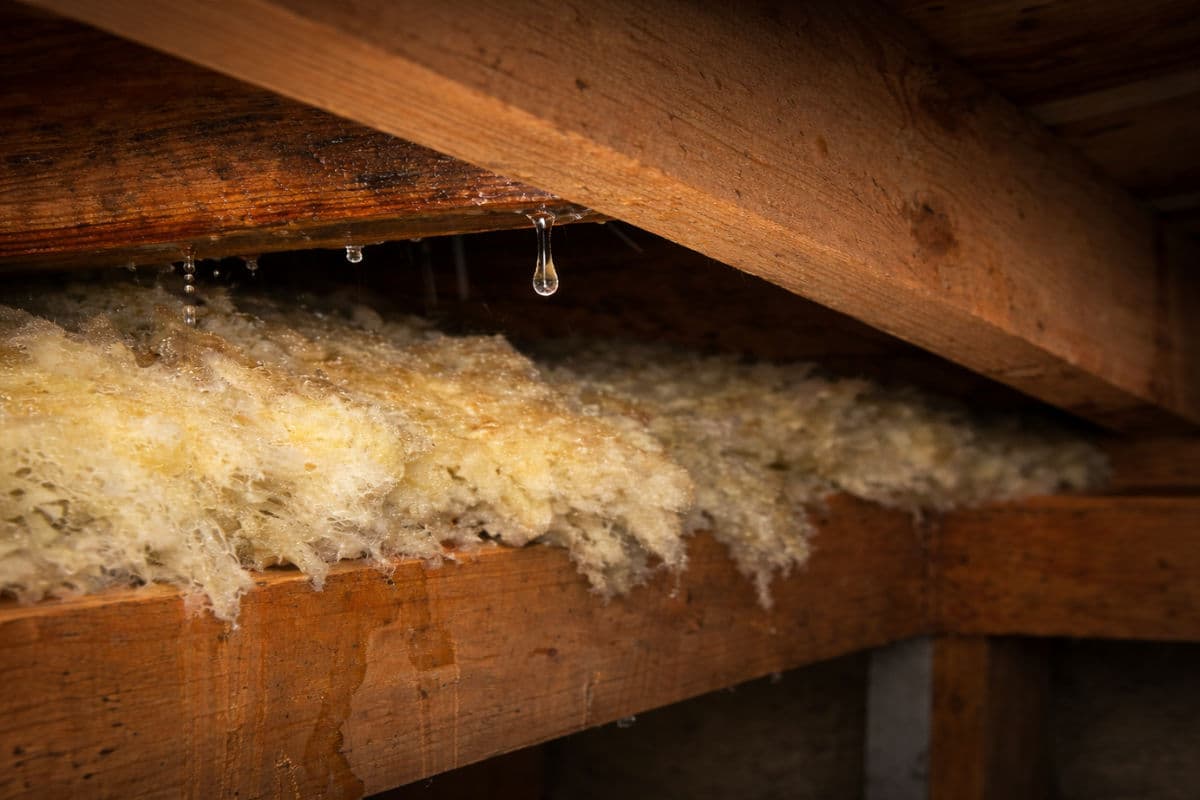
When rainwater enters through damaged shingles or flashing, it doesn’t necessarily drip straight down. Instead, water often travels along rafters, beams, and roof decking before eventually appearing somewhere else.
For example, a ceiling stain in the living room might actually originate from damage several feet away on the roof. This makes leaks difficult to trace without professional inspection.
Insulation Absorbs and Spreads Moisture
Attic insulation acts like a sponge when exposed to water. Once saturated, it holds moisture against the roof decking and surrounding materials. Wet insulation also loses its ability to regulate indoor temperature, increasing energy costs.
Over time, prolonged moisture exposure weakens structural components and accelerates roof deterioration.
Climate Conditions Increase Risk
In Kentucky, weather patterns often make roof leaks worse. Heavy rainfall, humidity, and sudden storms allow moisture to accumulate quickly within roofing systems.
Homeowners can learn more about how regional weather contributes to roofing issues by exploring common weather-related roofing problems in Kentucky.
Mold Growth Risks
Moisture inside a home creates the perfect environment for mold growth.
Mold Can Develop Quickly
Under the right conditions, mold can begin forming within 24 to 48 hours after moisture exposure. Dark attic spaces with poor ventilation provide ideal conditions for mold colonies to spread.
Once mold develops, it can affect insulation, wood framing, drywall, and stored belongings.
Health Concerns for Occupants
Mold exposure may cause health symptoms for some individuals, including:
Respiratory irritation
Allergic reactions
Headaches or fatigue
Increased asthma symptoms
While not every mold issue becomes severe, widespread growth inside walls or attic spaces can create indoor air quality concerns.
Hidden Mold Growth
One of the most concerning aspects of roof leaks is that mold often develops in hidden areas. By the time homeowners notice a musty odor or ceiling stain, mold may already be spreading behind drywall or above ceiling panels.
Routine inspections help identify these hidden problems early. Understanding how a professional roof inspection works can help homeowners detect leaks before mold spreads. You can learn more about the roof inspection process and what inspectors look for.
Wood Rot & Framing Damage
Roof leaks also threaten the structural integrity of a home.
Roof Decking Deterioration
Roof decking is the wooden surface beneath shingles that provides structural support. When water penetrates the roofing system, the decking absorbs moisture and gradually weakens.
Over time, wet decking can:
Warp
Split
Lose structural strength
This damage often remains hidden until roofing materials are removed during repairs.
Rafter and Framing Damage
If a leak continues long enough, moisture can spread into the roof’s framing system. Rafters and trusses may begin to rot, compromising the roof’s structural support.
Severe rot can eventually cause:
Sagging roof sections
Uneven roof lines
Structural instability
Repairing framing damage is significantly more complex and expensive than addressing a simple leak early.
Exterior Damage Can Worsen the Problem
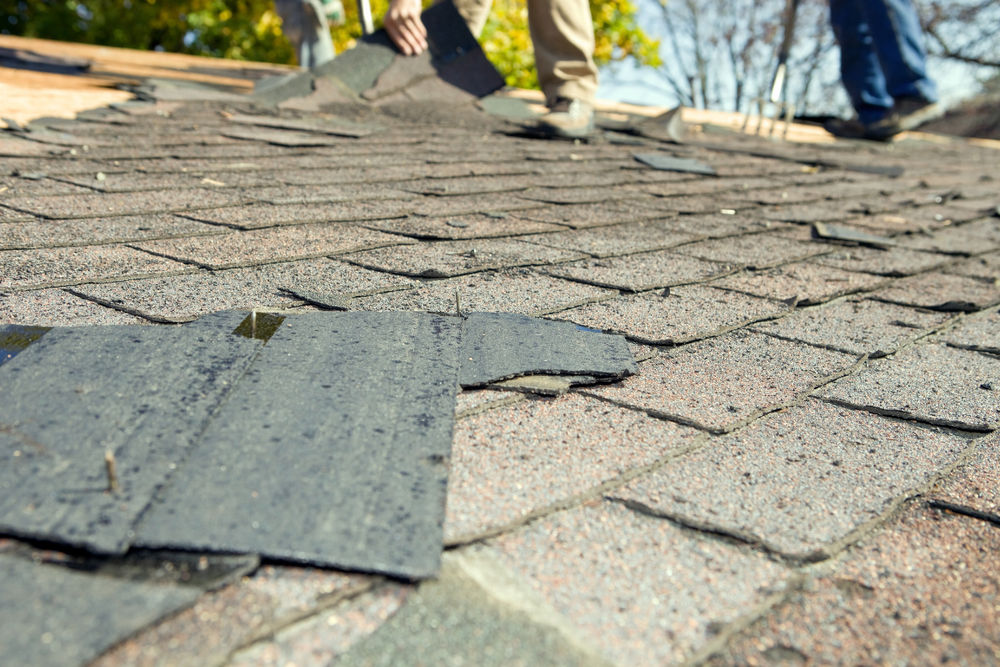
Roof leaks often begin with weather-related damage such as lifted shingles, damaged flashing, or clogged drainage systems. These issues may appear minor initially but allow water to enter repeatedly during storms.
In regions like Central Kentucky, storms and seasonal weather patterns contribute to many of these roofing vulnerabilities. Understanding the broader causes of regional roof damage from storms and weather conditions can help homeowners recognize risks earlier.
Cost Escalation Over Time
The longer a roof leak remains unresolved, the more expensive the repair becomes.
Minor Repairs Can Become Major Projects
Early-stage repairs might involve simple fixes such as:
Replacing damaged shingles
Resealing flashing
Repairing small roof penetrations
However, once moisture spreads deeper into the structure, repairs may involve:
Roof decking replacement
Mold remediation
Insulation removal
Drywall replacement
Structural framing repairs
These additional steps dramatically increase the overall cost.
Insurance Complications
Home insurance policies often cover sudden storm damage but may not cover long-term neglect. If a leak has been present for an extended period, insurers may deny coverage due to lack of maintenance.
Addressing leaks quickly protects both your home and your ability to file insurance claims if necessary.
Stress and Disruption
Beyond financial costs, unresolved leaks create stress for homeowners. Ongoing moisture issues may lead to concerns about mold, interior damage, or sudden roof failure during storms.
Preventive action eliminates uncertainty and restores confidence in the roof’s condition.
Why Early Roof Inspections Matter
Roof leaks are rarely obvious at first. Many problems develop quietly within the roofing system before visible signs appear.
Professional inspections help identify small vulnerabilities before they turn into major damage. Experienced roofing professionals evaluate:
Shingle condition
Flashing integrity
Roof penetrations
Ventilation systems
Attic moisture levels
Regular inspections also help homeowners understand how different environmental factors affect roof performance over time.
Early Intervention Protects Your Home
Small roof leaks may seem harmless at first, but they can quickly lead to mold growth, wood rot, and structural damage if ignored. Moisture spreads quietly through insulation, framing, and drywall long before homeowners notice visible signs.
Taking action early is the best way to prevent costly repairs and protect the structural integrity of your home.
If you suspect a leak or want peace of mind about your roof’s condition, professional residential roof services can help identify issues and recommend the right solution.
To schedule an evaluation or speak with a roofing professional, you can contact the Affirmed Roofing team for guidance and support.
Early attention to small problems today can prevent major structural damage tomorrow.