What Happens During a Roof Inspection?
Curious what happens during a professional roof inspection? Learn the full inspection process, what’s checked, and why it matters for your home.
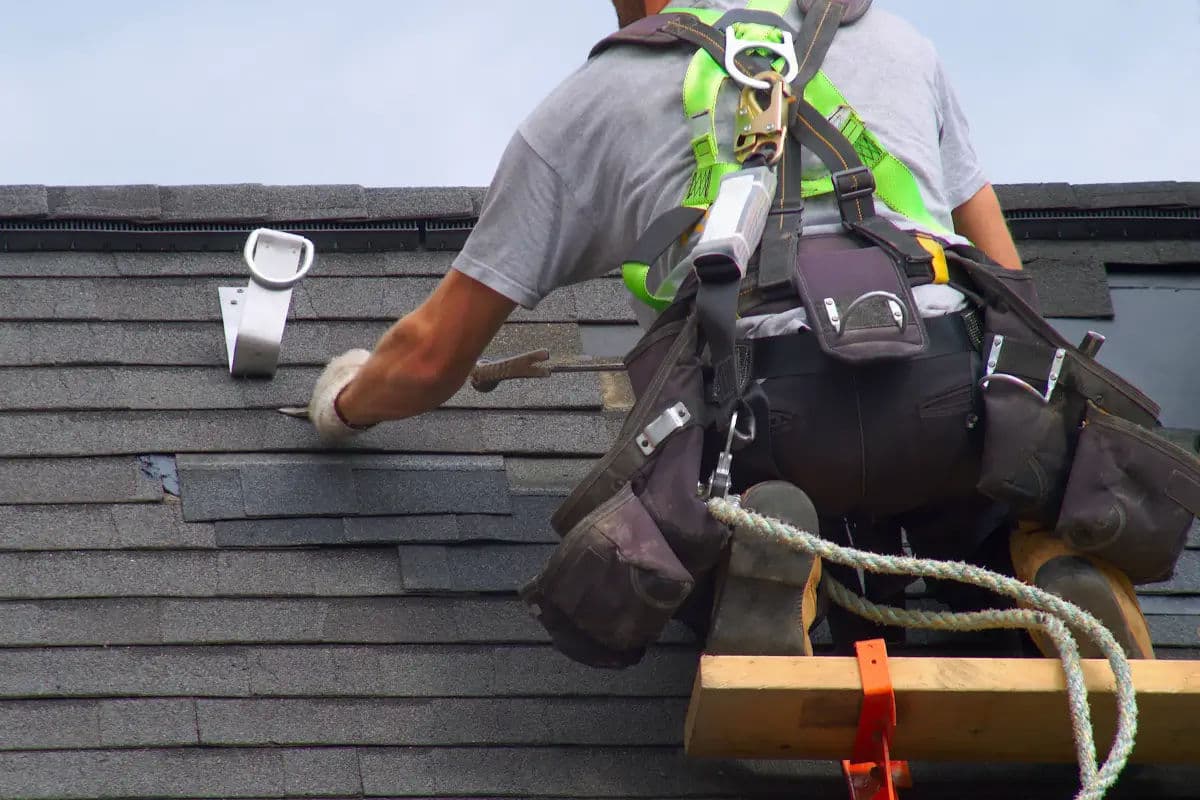
Many homeowners know they should get their roof inspected, but they’re not always sure what that actually involves. Is it just a quick look at the shingles, or something more detailed? Understanding the roof inspection process helps homeowners know what to expect, why inspections matter, and how they can prevent small issues from turning into costly repairs—especially when considering how long a roof typically lasts in Kentucky.
In Central Kentucky, where roofs are exposed to humidity, storms, temperature swings, and heavy rain, regular inspections play a critical role in protecting a home. A professional roof inspection is not about selling a replacement. It’s about evaluating the roof’s condition, identifying risks, and giving homeowners clear information so they can make informed decisions.
Exterior Inspection Areas
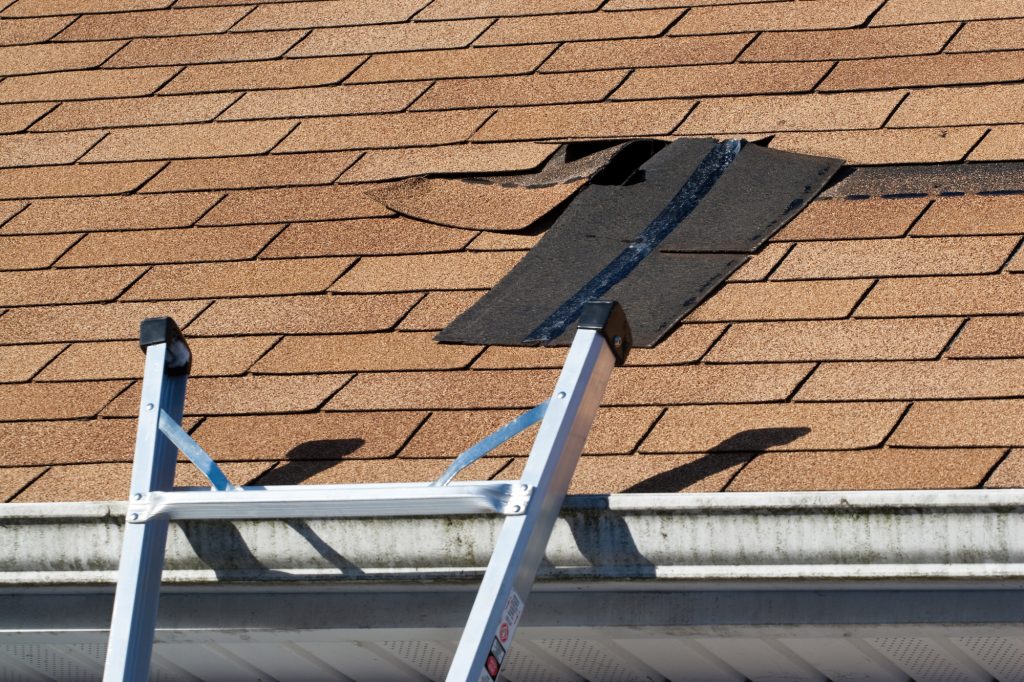
The exterior portion of a roof inspection focuses on everything that protects your home from the elements. This is often where the most visible signs of wear and damage appear.
Shingles and Roofing Materials
Inspectors begin by examining the overall condition of the roofing material. For asphalt shingle roofs, this includes checking for missing shingles, curling edges, cracking, or excessive granule loss. These signs often indicate aging or weather-related damage.
On metal or specialty roofs, inspectors look for loose panels, damaged fasteners, corrosion, or sealant failure. Even small material issues can allow moisture to enter the roofing system over time.
Flashing and Roof Penetrations
Flashing is one of the most important components of the roof inspection process. Inspectors carefully examine flashing around chimneys, vents, skylights, and roof transitions. These areas are common sources of leaks because they involve seams where materials meet.
Cracked sealant, loose flashing, or improper installation can allow water to penetrate beneath the roof surface. These issues are often repairable when caught early.
Roof Edges, Valleys, and Drainage
Roof edges and valleys handle large volumes of water during rainstorms. Inspectors check these areas for debris buildup, damaged shingles, and signs of water backup.
Gutters and downspouts are also reviewed as part of the exterior inspection. Poor drainage can cause water to back up under shingles or along the roof edge, leading to rot and leaks over time. Identifying these issues early allows homeowners to address concerns properly with professional residential roof services instead of relying on temporary fixes.
Interior & Attic Checks

A thorough roof inspection goes beyond what is visible from the outside. Interior and attic checks provide insight into what is happening beneath the roofing materials.
Attic Access and Safety Review
Inspectors begin by safely accessing the attic, when possible, to evaluate conditions without disturbing insulation or structural components. Not all homes allow full attic access, but when they do, this step is essential.
Signs of Moisture or Leaks
One of the primary goals of the interior inspection is identifying moisture intrusion. Inspectors look for water stains, damp insulation, mold growth, or darkened wood on the roof decking.
These signs often reveal leaks that are not yet visible inside the living space. Catching moisture issues at this stage can prevent insulation damage and indoor mold problems.
Ventilation and Airflow
Proper ventilation is a major factor in roof longevity. Inspectors evaluate intake and exhaust vents to ensure balanced airflow. Poor ventilation traps heat and moisture in the attic, accelerating shingle aging and increasing the risk of condensation-related damage.
In Kentucky’s humid climate, ventilation problems are a common contributor to shortened roof lifespan.
Common Issues Inspectors Look For
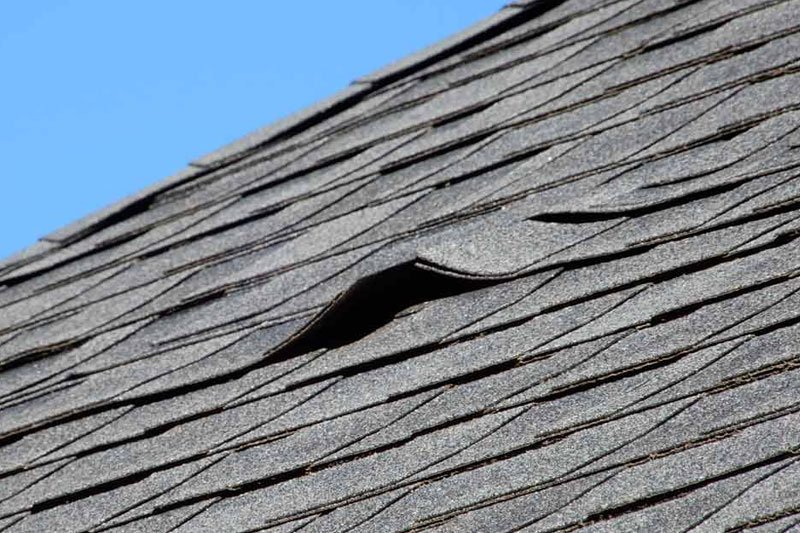
During the roof inspection process, professionals look for patterns and warning signs that indicate current or future problems. Many of these issues stem from common roofing mistakes homeowners make when delaying repairs, even when the roof appears fine from the ground.
Storm and Wind Damage
Kentucky storms can loosen shingles, damage flashing, or lift roof edges without leaving obvious signs. Inspectors are trained to spot subtle storm-related damage that homeowners may miss.
Age-Related Wear
Every roofing system ages differently. Inspectors assess whether wear is consistent with the roof’s age or if deterioration is happening faster than expected. Premature aging often points to ventilation issues, material defects, or installation concerns.
Improper Past Repairs
Previous repairs are reviewed for quality and compatibility. Improperly applied sealants, mismatched materials, or temporary fixes can create new vulnerabilities and complicate future repairs.
What You Receive After an Inspection
A professional roof inspection does not end when the inspector leaves. Homeowners should walk away with clear, actionable information.
Summary of Findings
Most inspections include a summary explaining the roof’s overall condition. This overview highlights areas that are performing well and those that need attention, helping homeowners understand the big picture.
Documentation and Photos
Many inspectors provide photos of identified issues. Visual documentation makes it easier for homeowners to see what was found and understand why certain recommendations are made.
Repair and Maintenance Recommendations
If issues are discovered, inspectors outline recommended repairs or maintenance steps. These recommendations are typically prioritized based on urgency, allowing homeowners to address critical concerns first.
When Should You Schedule a Roof Inspection?
While every home is different, inspections are especially important:
After major storms or high winds
When a roof is over 10 years old
Before buying or selling a home
When signs of leaks or damage appear
As part of routine home maintenance
Regular inspections help homeowners stay ahead of Kentucky’s unpredictable weather and avoid emergency repairs.
Schedule an Inspection for Peace of Mind
If you’ve ever wondered what’s really going on with your roof, the best next step is to schedule a roof inspection. The roof inspection process is designed to evaluate exterior materials, interior conditions, and underlying risks so homeowners can make informed choices.
A professional inspection helps identify issues early, prioritize repairs, and plan ahead with confidence. Taking this step protects your home, your budget, and your peace of mind—long before a small issue turns into a major problem.