What to Do After Storm Damage to Your Roof in Lexington, KY
Storm damage to your roof in Lexington, KY can lead to hidden leaks and costly repairs if ignored. Learn the immediate safety steps, signs to look for, when to call a roofer, and how to properly document damage to protect your home and your investment.
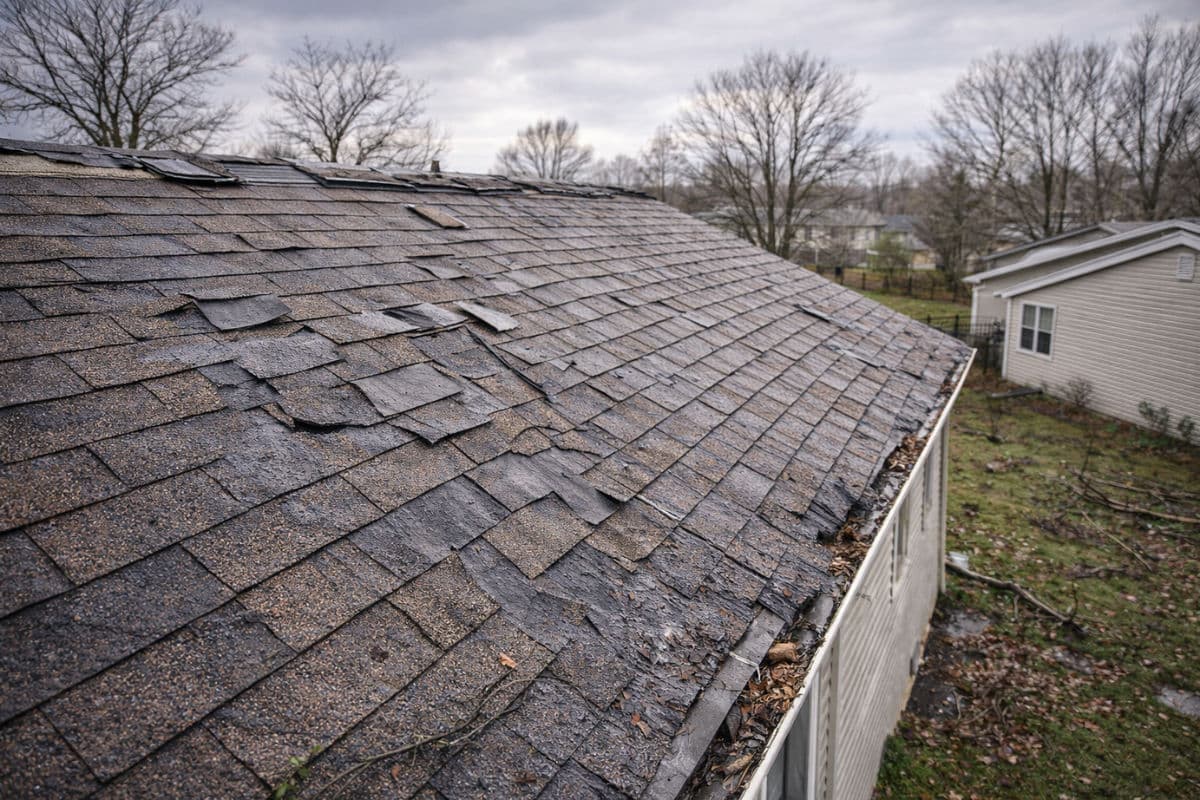
Severe weather is a reality for homeowners in Central Kentucky. High winds, hail, heavy rain, and falling debris can cause sudden and sometimes hidden roof damage. Knowing what to do immediately after a storm helps protect your home, prevent further damage, and reduce long-term repair costs.
If you’re dealing with storm damage roof Lexington KY, it’s important to stay calm and take the right steps in the right order. This guide explains what to do after a storm hits, what signs to look for, when to call a professional, and how to document damage properly.
Immediate Safety Steps
After a major storm, safety comes first.
Stay Off the Roof
Even if you suspect damage, avoid climbing onto your roof. Wet shingles, loose materials, and hidden structural weaknesses can create dangerous conditions. A storm-weakened roof may not support weight safely.
Check for Interior Hazards
Look inside your home for:
Water leaks or dripping
Ceiling stains
Sagging drywall
Electrical concerns near moisture
If you see active leaking near electrical fixtures, turn off power to that area if it is safe to do so.
Prevent Further Interior Damage
If water is entering the home, place buckets under drips and move valuables out of the affected area. Temporary measures like plastic sheeting inside can help minimize damage until a professional inspection can be performed.
Understanding the broader risks of severe weather can also help homeowners prepare for future storms. You can read more about common regional threats in Roofing Problems Caused by Kentucky Weather.
Visual Damage Checklist
Not all storm damage is obvious. Some issues are visible from the ground, while others require a closer professional evaluation.
Exterior Signs to Look For
From a safe distance, check for:
Missing or lifted shingles
Shingle debris in your yard
Dented gutters or downspouts
Bent flashing
Visible roof sagging
Wind often loosens shingles without fully tearing them off. Hail may leave impact marks that are difficult to see from the ground.
Check Gutters and Downspouts
Granules from asphalt shingles often collect in gutters after hail or heavy wind. Excess granules indicate accelerated wear and potential shingle damage.
Inspect the Attic
If accessible, look for:
Damp insulation
Water stains on decking
Daylight showing through the roof
Interior attic signs often reveal storm damage before ceiling leaks appear.
When to Call a Roofer
One of the most common mistakes homeowners make after storms is waiting too long to call for help.
Call If You Notice Any Visible Damage
If you see missing shingles, bent flashing, or interior leaks, it’s time to contact a professional. Small storm damage can quickly worsen with additional rainfall.
Call Even If Damage Isn’t Obvious
Storm damage is sometimes subtle. Wind may loosen seal strips without removing shingles. Hail may bruise shingles beneath the surface. These issues may not leak immediately but weaken the roofing system over time.
Avoiding inspection can lead to bigger problems later. Many costly repairs stem from common roofing mistakes homeowners make when delaying repairs.
Why Professional Inspections Matter
A professional inspection evaluates:
Shingle integrity
Flashing and sealants
Roof decking condition
Ventilation impact
Structural concerns
For homeowners concerned about pressure tactics, it’s important to understand that ethical companies focus on transparency. You can learn more in The Truth About Free Roof Inspections, which explains how reputable inspections work.
Documenting Damage
Proper documentation protects homeowners if insurance claims become necessary.
Take Clear Photos
Photograph:
Roof damage visible from the ground
Debris in the yard
Damaged gutters
Interior leaks and ceiling stains
Take photos from multiple angles and include wide shots to show context.
Record the Date of the Storm
Write down:
The date and time of the storm
Weather conditions
Any immediate signs of damage
This information helps create a timeline for your records.
Avoid Making Permanent Repairs First
Temporary measures to prevent further damage are appropriate, but avoid making major repairs before insurance adjusters or roofing professionals evaluate the roof. Premature repairs can complicate claims.
Why Storm Damage in Lexington, KY Requires Quick Attention
Lexington weather can shift quickly. A damaged roof that survives one storm may not withstand the next.
Compounding Weather Exposure
After shingles are loosened, additional rain can penetrate deeper layers. Freeze–thaw cycles in winter can worsen small cracks. Wind-driven rain can exploit compromised flashing.
Structural Risks
Persistent moisture can:
Weaken roof decking
Damage insulation
Encourage mold growth
Compromise interior ceilings
The longer damage is left unaddressed, the more complex and expensive repairs may become.
Protecting Roof Lifespan
Storm damage directly affects roof longevity. Addressing problems quickly helps preserve structural integrity and extend overall lifespan.
Residential Roof Services for Storm Recovery
Storm-related roof damage often requires more than surface-level repairs. Working with experienced Residential Roof Services ensures proper evaluation and long-term solutions.
Professional roofers can:
Identify hidden damage
Provide detailed inspection reports
Recommend repair or replacement options
Help prevent recurring weather-related issues
An experienced assessment provides clarity and confidence after severe weather.
Professional Assessment After Storm Damage
If your home experienced severe weather, the best next step is a professional evaluation. Storm damage is not always visible, and early inspection prevents minor issues from becoming major repairs.
If you suspect storm damage roof Lexington KY, now is the time to act. You can contact the Affirmed Roofing team to schedule a professional assessment and get clear insight into your roof’s condition.
Prompt action protects your home, your budget, and your peace of mind. Storms may be unpredictable, but your response doesn’t have to be.