Early Signs Water Is Entering Through Siding and Rooflines
Learn to identify signs of water intrusion through siding and rooflines before damage occurs. Prevent costly repairs by acting on these indicators early.
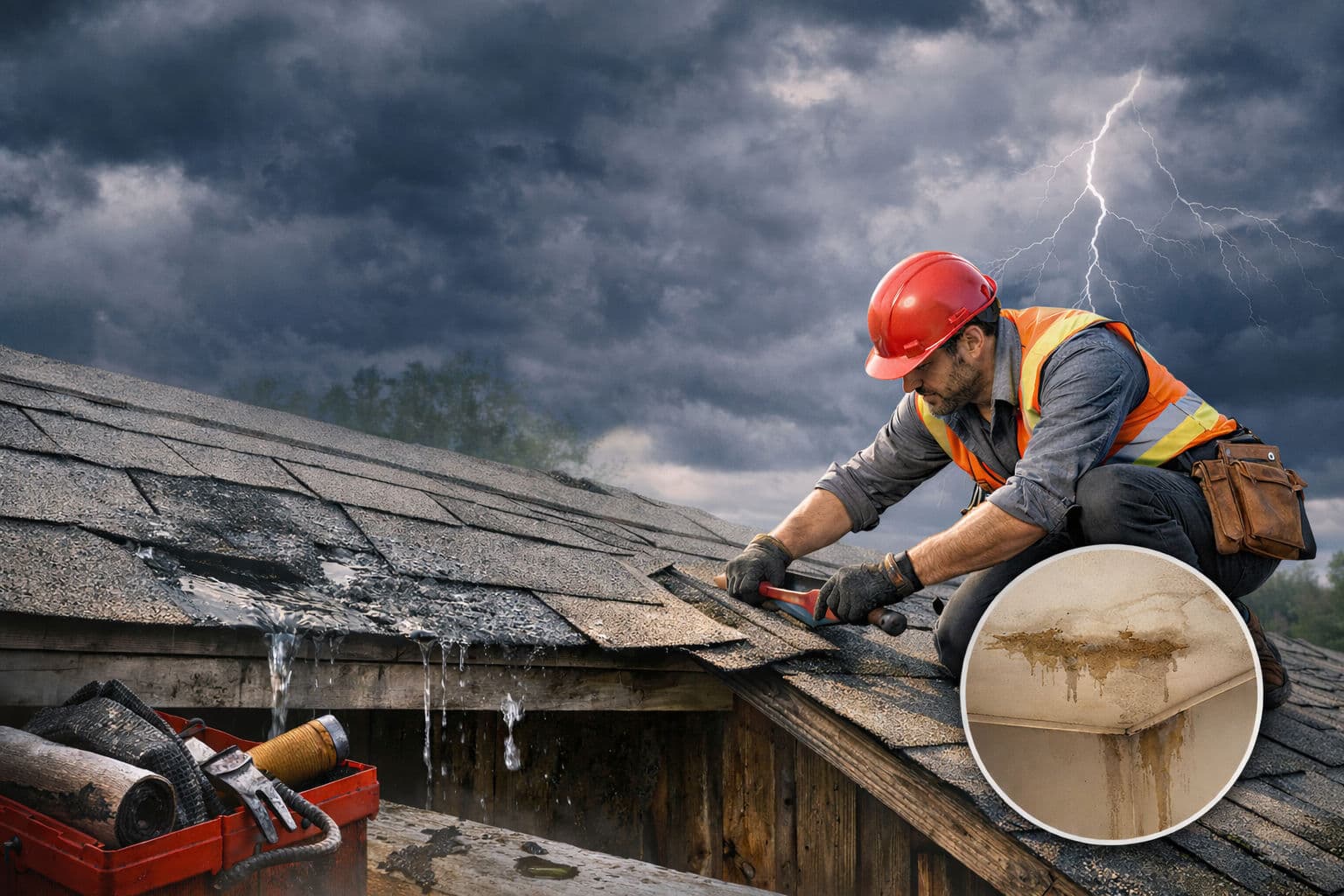
Water intrusion doesn’t always start with a major leak. In many homes, moisture enters slowly through siding seams, rooflines, and transition points long before visible damage appears. By the time homeowners notice stains or peeling paint, water may already be affecting insulation, framing, and interior surfaces.
Understanding the early signs of siding water intrusion helps homeowners act before small issues turn into costly repairs. In Central Kentucky, where homes face heavy rain, humidity, and seasonal weather shifts, these problems can develop quickly if left unaddressed.
This guide explains what to look for inside and outside your home, why rooflines play a critical role, and when it’s time to take preventive action.
Interior Clues
Interior signs are often the first indication that water is entering through siding or roofline gaps. However, by the time these symptoms appear, moisture has usually been present for some time.
Subtle Wall Discoloration
One of the earliest signs of siding water intrusion is faint discoloration on interior walls. These may appear as light brown or yellow stains, often near ceilings, corners, or exterior-facing walls.
These stains typically indicate that water is traveling behind siding or along roofline edges before reaching the interior surface.
Peeling Paint or Bubbling Drywall
Moisture trapped behind walls can cause paint to peel or drywall to bubble. This happens because water weakens the bond between paint and the wall surface.
If left untreated, these areas may begin to soften or crumble, signaling deeper structural concerns.
Musty Odors
A persistent musty smell inside the home is often a sign of hidden moisture. Even if no visible damage is present, moisture trapped within walls or insulation can create conditions for mold growth.
In these cases, it’s important to address both the source of the moisture and any resulting damage. For homeowners dealing with active water issues, professional services like water damage restoration can help manage cleanup and prevent further complications.
Increased Humidity Indoors
If certain areas of your home feel unusually humid, especially near exterior walls, it may be a sign that water is entering and becoming trapped within the structure.
Exterior Visual Signs
Exterior inspection is just as important as identifying interior symptoms. Many early signs of siding water intrusion can be spotted from outside the home.
Warped or Buckling Siding
Siding that appears warped, wavy, or uneven may indicate moisture buildup behind it. When water becomes trapped, it can cause materials to expand and lose their original shape.
This is especially common with wood or vinyl siding exposed to repeated rain and humidity.
Gaps and Loose Panels
Small gaps between siding panels or sections that appear loose can allow water to enter the home. Wind-driven rain can push moisture into these openings, especially during storms.
Even minor separations should be addressed before they become larger entry points.
Staining and Streaking
Dark streaks or discoloration on siding surfaces may indicate water is not draining properly. These stains often form when water repeatedly runs down the same area, carrying dirt and debris with it.
Over time, this can signal deeper drainage or flashing issues.
Deteriorating Caulking and Sealants
Sealants around windows, doors, and siding joints are designed to keep water out. When these materials crack or deteriorate, they create openings for moisture intrusion.
Routine inspection of these areas helps prevent water from entering through vulnerable points.
Why Rooflines Matter
Rooflines are one of the most overlooked areas when it comes to siding water intrusion.
Where Roof and Siding Meet
The connection between the roof and siding is a critical transition point. Flashing and sealants are used to direct water away from these intersections. If these components fail, water can enter behind siding and travel downward into the wall system.
Flashing Failures
Improperly installed or aging flashing is one of the most common causes of water intrusion. Flashing should create a continuous barrier that directs water away from the home.
When flashing becomes loose, corroded, or improperly sealed, water can bypass this protection and enter the structure.
Gutter and Drainage Issues
Rooflines rely on proper drainage to move water away from the home. Clogged or damaged gutters can cause water to overflow, directing it toward siding and foundation areas.
Over time, repeated exposure to water increases the likelihood of intrusion.
Roof Damage Contributing to Siding Issues
Roof damage can also play a role in siding-related water problems. Missing shingles, damaged edges, or improper roof drainage can redirect water toward vulnerable siding areas.
Ensuring your roof is in good condition is a key part of preventing siding water intrusion. Professional residential roof services can help evaluate both roofing and roofline components to identify potential risks.
Why Early Detection Matters
Siding water intrusion is often gradual, which makes it easy to overlook in the early stages.
Small Problems Spread Quickly
Water that enters through small gaps doesn’t stay confined. It spreads through insulation, wood framing, and wall cavities, affecting multiple areas over time.
Structural Damage Develops Quietly
Moisture weakens wood structures, leading to rot and long-term damage. By the time visible signs appear, structural components may already be compromised.
Mold Growth Becomes a Risk
Moisture trapped behind walls creates ideal conditions for mold growth. This not only damages the home but can also affect indoor air quality.
When to Seek Professional Help
If you notice any signs of siding water intrusion, early evaluation is key.
Signs You Should Not Ignore
Persistent wall stains or discoloration
Warped or damaged siding
Musty odors near exterior walls
Repeated moisture issues after storms
Working With the Right Professionals
Roofing professionals can assess rooflines, flashing, and drainage systems to identify the source of water intrusion. In cases where water damage has already occurred, restoration specialists may also be needed.
Companies like First Response Restoration specialize in handling water damage, mold remediation, and structural drying. If moisture has already affected your home, reaching out early can prevent further damage. You can also contact their team directly for assistance with active water issues.
Preventive Inspection Protects Your Home
Water intrusion through siding and rooflines is often preventable with regular inspections and maintenance.
What Preventive Inspections Include
Checking siding condition and alignment
Inspecting flashing and sealants
Evaluating roof edges and drainage systems
Identifying early signs of moisture intrusion
Benefits of Early Action
Addressing small issues early helps:
Prevent structural damage
Avoid mold growth
Reduce long-term repair costs
Extend the lifespan of your home’s exterior
Schedule a Preventive Inspection
Understanding the early signs of siding water intrusion gives homeowners an advantage. By recognizing subtle warning signs and addressing them promptly, you can prevent more serious damage from developing.
If you’ve noticed changes in your siding, interior walls, or roofline areas, now is the time to act. A professional inspection can identify the source of the problem and recommend the right solution before damage spreads.
Taking a proactive approach today helps protect your home, your investment, and your peace of mind for years to come.